Did you know that over 40 million used cars are sold annually in the United States, with a significant portion having hidden issues? When buying a used car, having access to a reliable vehicle history report is crucial.
Two major providers, CARFAX and AutoCheck, offer detailed reports that can help you make an informed decision. But which one should you trust? This guide compares the two services, examining how they collect data and their effectiveness in identifying potential problems.
By understanding the strengths and weaknesses of each history report provider, you’ll be better equipped to choose the right one for your needs, potentially saving you from a costly mistake.
Why Vehicle History Reports Matter When Buying Used Cars
Vehicle history reports are essential tools for anyone looking to purchase a used vehicle. These reports serve as your first line of defense against purchasing a problematic used car with hidden damage or title issues.
The advantages of vehicle history reports include transparency about a vehicle’s past, verification of seller claims, and negotiation leverage if issues are discovered. They reveal critical information that sellers might not disclose, including accident history, flood damage, fire damage, and odometer discrepancies.
Without a vehicle history report, you risk purchasing a vehicle with serious mechanical problems that could cost thousands in repairs or even pose safety hazards. Even when buying from seemingly trustworthy sources like friends or family, obtaining a vehicle history report provides objective documentation of the vehicle’s condition and past.
Understanding Vehicle History Reports: What They Are and Why You Need One
To avoid potential pitfalls, it’s vital to comprehend what vehicle history reports entail. These reports compile data from numerous sources to create a comprehensive record of a vehicle’s past events, ownership, and condition. By using the vehicle identification number (VIN), they track the car throughout its lifetime, ensuring the information is specific to that exact vehicle.
Vehicle history reports provide crucial information about title status, reported accidents, service records, previous owners, and potential odometer fraud. Understanding what history reports contain helps you make informed decisions when purchasing a used vehicle. While no vehicle history report is 100% comprehensive, they significantly reduce the risk of purchasing a problematic vehicle by revealing issues that might not be apparent during inspection.
Different history report providers may have access to different data sources, which is why comparing services like CARFAX and AutoCheck is valuable. These reports provide information that can make or break a used car purchase, giving you the information you need about the vehicle and helping you understand the information that can make a difference in your buying decision.
CARFAX: The Industry Pioneer
Established in 1986, CARFAX pioneered the vehicle history report industry. With a vast database of over 22 billion records, CARFAX provides detailed information about a vehicle’s past, including title information, service history, and more.
The vehicle history report includes information about reported accidents, damage, service records, recalls, and ownership history. It also indicates whether a vehicle has been used as a rental, taxi, or fleet vehicle, which can significantly impact its condition and value.
CARFAX has partnered with over 100,000 data sources, including DMVs, insurance companies, and auto auctions across North America. This extensive network enables CARFAX to provide comprehensive reports that help you make informed decisions when buying a used car. By checking a vehicle’s history report, you can avoid potential pitfalls and find a reliable ride.
When you run a report car check with CARFAX, the report includes vital details that can save you from costly surprises down the road. CARFAX reports also show the full history, giving you peace of mind.
AutoCheck: The Competitive Alternative

Experian’s AutoCheck is revolutionizing the way people buy used cars with its comprehensive vehicle history reports. As a strong competitor to CARFAX, AutoCheck offers many of the same elements but often excels in tracking vehicles that have moved through auctions or been involved in lease buyout situations.
The AutoCheck report includes a proprietary AutoCheck Score, which helps buyers quickly assess a vehicle’s history compared to similar vehicles. This score, combined with the detailed vehicle history, provides a comprehensive view of the vehicle’s past.
AutoCheck typically offers more affordable pricing options than CARFAX, making it an attractive alternative for budget-conscious used car shoppers. The service has particularly strong data on vehicles that have been previously leased, thanks to Experian’s deep connections with financial institutions that handle automotive financing.
AutoCheck’s interface is designed to be user-friendly, with color-coded alerts that make it easy to identify potential issues at a glance. The history report also provides valuable insights into the vehicle’s past, helping you make an informed decision when buying a used car.
Data Sources: Where CARFAX and AutoCheck Get Their Information
To assess the reliability of vehicle history reports, it’s essential to know where CARFAX and AutoCheck get their data. Both services gather information from thousands of sources, but their collection methods and partnerships differ in ways that affect the comprehensiveness of their reports.
CARFAX Data Collection Methods
CARFAX has established relationships with over 100,000 data sources, including state DMVs, service shops, insurance companies, and fire departments to provide information about vehicle histories. This extensive network allows CARFAX to compile detailed reports on a vehicle’s past.
AutoCheck Data Collection Methods
AutoCheck leverages Experian’s extensive data network, with particularly strong connections to auto auctions and financial institutions that handle vehicle financing and leases. This enables AutoCheck to provide comprehensive history reports on vehicles.
| Service | Data Sources | Key Strengths |
|---|---|---|
| CARFAX | State DMVs, service shops, insurance companies, fire departments | Comprehensive vehicle history, detailed service records |
| AutoCheck | Experian’s data network, auto auctions, financial institutions | Strong connections to auto auctions and financial institutions |
Understanding these data collection differences helps you make an informed decision about which vehicle history report might be more comprehensive for your specific vehicle purchase.
Report Coverage: What Each Service Includes
Both CARFAX and AutoCheck offer detailed vehicle history reports, but their coverage and presentation differ. Understanding the components of these reports is essential to making an informed decision when buying a used car.
CARFAX Report Components
CARFAX reports typically excel in presenting detailed service and maintenance records when available. The history report includes a chronological organization, making it easy to follow a vehicle’s history from manufacture to present day. This includes title information, accident reports, and odometer readings.
AutoCheck Report Components
AutoCheck reports often provide more detailed auction history and are particularly strong in tracking vehicles that have moved between states or through multiple dealerships. The included vehicle history information is presented with a scoring system that helps contextualize the severity of any issues found.
When comparing the two, it’s clear that both services cover essential aspects of a vehicle’s history, but the depth and presentation of this information can vary significantly. By understanding what’s included in each vehicle history report, you can better assess which service meets your needs.
Accident and Damage Reporting: Which Service Catches More Issues
The history of accidents and damage is perhaps the most important information when considering a used car or truck purchase. Both CARFAX and AutoCheck provide valuable insights into a vehicle’s past, but they have different strengths in this area.
CARFAX Accident Reporting
CARFAX often excels at reporting accidents that have been processed through insurance claims or police reports. This provides detailed information about the type and severity of damage. For instance, a vehicle history report from CARFAX might reveal if a car was in a major collision or had significant damage.
AutoCheck Accident Reporting
AutoCheck, on the other hand, may catch more auction-reported damage that occurred when vehicles were being transported between dealerships or at wholesale auctions. This can be critical in understanding a vehicle’s overall condition. By getting a vehicle history from AutoCheck, you can uncover potential issues not reported by CARFAX.
| Service | Accident Reporting Strengths |
|---|---|
| CARFAX | Insurance claims, police reports |
| AutoCheck | Auction-reported damage |
Using both services can provide a more comprehensive picture of a vehicle’s accident history. As noted by a industry expert, “Combining reports from CARFAX and AutoCheck can give buyers a more complete understanding of a used car’s past.”
“When buying a used car, it’s not just about the price; it’s about the vehicle’s history and condition.”
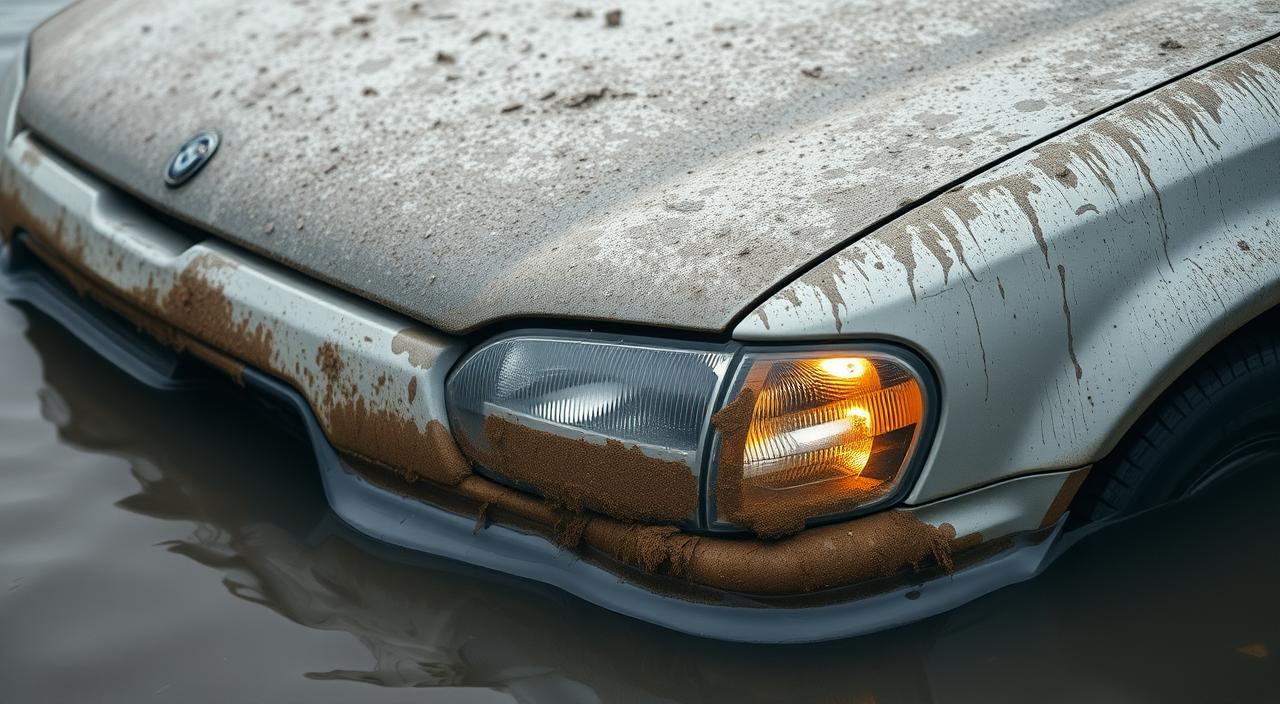
By considering bothhistory reports, you can make a more informed decision, especially when evaluating acar truckwith potentialflood fire damage.
Title Problems and Odometer Fraud Detection Comparison
When buying a used vehicle, two significant concerns are title problems and odometer fraud, both of which can drastically affect the vehicle’s value and legality. Both CARFAX and AutoCheck provide critical information in these areas, helping you make an informed decision.
CARFAX Title and Odometer Verification
CARFAX tracks title information through state DMV records and presents it in a chronological format, making it easier to identify any title issues such as salvage or rebuilt titles. Additionally, CARFAX monitors odometer readings to detect potential tampering or rollbacks, flagging suspicious changes in mileage.
AutoCheck Title and Odometer Verification
AutoCheck also retrieves title data from state DMV records but often excels at tracking title history across state lines, which is crucial in preventing title washing—a common fraud tactic. Like CARFAX, AutoCheck verifies odometer readings to identify any irregularities, ensuring the mileage is accurate.
When you request a vehicle history report from either service, they verify the vehicle identification number against manufacturer records to ensure you’re getting the correct vehicle’s history report. This verification process is crucial for the accuracy of the report.
Service and Maintenance Records: CARFAX vs AutoCheck
When evaluating a used vehicle, understanding its service and maintenance history is crucial. Service and maintenance records provide valuable insights into how well a vehicle has been cared for throughout its life, potentially predicting future reliability. CARFAX has traditionally had stronger coverage of service records due to its partnerships with thousands of service centers and dealerships across North America.
To get a vehicle history report that includes detailed service records, CARFAX often provides more comprehensive information, including specific services performed and parts replaced. While AutoCheck’s service record reporting is improving, it generally lags behind CARFAX in this area. When you get vehicle history from either provider, remember that the absence of service records doesn’t necessarily mean maintenance wasn’t performed—it might simply be unreported.
Getting a vehicle history report that shows regular maintenance at appropriate intervals is a positive indicator of a well-cared-for vehicle. By reviewing these records, you can make a more informed decision when purchasing a used car.
Previous Ownership History: Which Report Provides More Detail
You can gain valuable insights into a vehicle’s past by examining its ownership history. Both CARFAX and AutoCheck provide information on previous owners, but the depth and presentation of this data can vary.
Understanding the previous owners of a vehicle can provide important context about how it was likely used and maintained. For instance, a vehicle with multiple owners in a short period may indicate recurring problems.
- CARFAX typically shows the number of previous owners, the duration of ownership, and sometimes the type of owner (individual, business, or fleet).
- AutoCheck also tracks owner vehicle history but may have stronger data on vehicles that have passed through auctions or been part of corporate or rental fleets.
Neither service provides personal information about previous owners, focusing instead on the number of owners and the states where the vehicle was registered. By examining the vehicle history report, you can make a more informed decision when purchasing a used vehicle.
The AutoCheck Score vs CARFAX Vehicle History Score
AutoCheck and CARFAX have developed proprietary scoring systems to simplify the process of evaluating a vehicle’s history. These scores provide a quick reference point for consumers, helping them make informed decisions when purchasing a used vehicle.
Both services offer unique approaches to scoring, catering to different needs and preferences.
Understanding the AutoCheck Score
The AutoCheck Score provides a numerical rating from 1 to 100, comparing a vehicle against similar models. This score is particularly useful for vehicles coming off lease buyout situations, as it factors in the typically better maintenance of leased vehicles. For instance, a score of 90 or above indicates a vehicle with a clean history and minimal issues.
Understanding the CARFAX Score
CARFAX’s Vehicle History Score focuses on specific alerts and warnings about potential issues. While less prominent than AutoCheck’s scoring system, it still provides valuable insights into a vehicle’s history. CARFAX’s score is more about highlighting potential red flags rather than comparing vehicles directly.
| Feature | AutoCheck Score | CARFAX Vehicle History Score |
|---|---|---|
| Scoring System | Numerical rating (1-100) | Alerts and warnings |
| Comparison Basis | Compares against similar vehicles | Highlights potential issues |
| Usefulness in Lease Buyouts | Particularly useful | General usefulness |
When evaluating a vehicle history report, understanding how these scores are calculated helps you interpret them correctly. Neither scoring system should be used as the sole decision factor; instead, continue reading the detailed report to understand specific issues that might affect your purchase decision.
Pricing and Value: Cost Comparison Between Services
As you research used cars, the pricing of vehicle history reports becomes an important factor. The cost can vary significantly between CARFAX and AutoCheck, impacting your decision on which service to use.
Pricing is often a significant factor when deciding which vehicle history report to purchase, especially if you’re researching multiple vehicles. Many dealerships provide free CARFAX or AutoCheck reports for their inventory, so it’s wise to request the type of report before paying for one yourself.
CARFAX Pricing Options
CARFAX typically charges a premium for their reports, with single reports costing around $39.99. They also offer packages of multiple reports at discounted rates, which can be beneficial if you’re checking several vehicles.
AutoCheck Pricing Options
AutoCheck generally offers more affordable pricing, with single reports around $24.99. Their multi-report packages provide better value for shoppers comparing several vehicles, making it a cost-effective option for thorough research.
When getting vehicle history information for multiple vehicles, AutoCheck’s multi-report packages typically offer better value than CARFAX’s equivalent options. Consider the cost-benefit ratio when deciding which service to use, especially if you’re comparing several potential purchases.
Dealer Usage: Which Report Do Most Dealerships Prefer
The choice of vehicle history report used by dealerships can reveal a lot about the report’s comprehensiveness for certain types of vehicles. Dealership preferences for vehicle history reports are influenced by various factors, including the type of vehicles they sell and their target market.
CARFAX has traditionally dominated the dealership market, with many dealers advertising “CARFAX-certified” vehicles or offering free CARFAX reports. This is particularly true for franchise dealerships affiliated with manufacturers, which often prefer CARFAX for their certified pre-owned programs and lease buyout transactions.
- Independent used car and truck dealerships may use either CARFAX or AutoCheck, with a growing number choosing AutoCheck due to its competitive pricing.
- Some dealerships subscribe to both services, using CARFAX for retail customers and AutoCheck for internal assessments when acquiring inventory.
- The type of report a dealer uses often depends on their target market and price point, with luxury dealers typically offering CARFAX reports.
Online dealerships and marketplaces may have exclusive partnerships with one provider, limiting which report is available for their inventory. Understanding these preferences can help you make an informed decision when purchasing a used vehicle.
Accuracy and Reliability: Real-World Testing Results
To determine which service provides the most accurate vehicle history, we examined real-world testing results. Independent testing of both CARFAX and AutoCheck reveals strengths and weaknesses in their accuracy and comprehensiveness when compared to known vehicle histories.
CARFAX Accuracy Assessment
CARFAX reports tend to be more comprehensive for vehicles serviced at major chains or dealerships, capturing maintenance records that AutoCheck might miss. However, neither service is 100% accurate, with both missing some accidents, particularly those repaired without insurance claims or police reports.
AutoCheck Accuracy Assessment
AutoCheck often excels at tracking vehicles with multiple auction appearances or those that have moved between states frequently. The time it can take getting vehicle history reports updated is a factor in accuracy—recent accidents or title changes may not appear immediately. Using a vehicle history report in conjunction with a professional inspection offers the best protection against purchasing a problematic vehicle.
When to Use Both Reports for Maximum Protection
Knowing the full history of a used vehicle is essential for a stress-free purchase. In certain situations, using both CARFAX and AutoCheck reports can provide significantly better protection for used car buyers.
There are specific scenarios where purchasing both reports is justified. For high-value purchases, the additional expense of multiple reports is minimal compared to potential repair costs for undisclosed issues. Vehicles with complex histories, such as those that have lived in multiple states or changed ownership frequently, benefit from cross-verification between reports.
- When requesting vehicle history information for vehicles with suspicious or incomplete seller disclosures, having both reports increases the chances of uncovering hidden problems.
- Rare or collectible vehicles warrant the additional scrutiny of multiple reports to verify authenticity and condition claims.
- If one report shows concerning information while the other doesn’t, this discrepancy itself is valuable information that warrants further investigation.
Requesting vehicle history from both providers is one of the most effective ways make sure you’re getting a complete picture of a vehicle’s past. By using both CARFAX and AutoCheck reports, you can make a more informed decision when buying a used car.
Beyond Vehicle History Reports: Additional Steps for Used Car Buyers
To make an informed decision, used car buyers need to look beyond vehicle history reports. While these reports provide valuable information about a vehicle’s past, they shouldn’t be the only factor in your decision-making process.
Professional Inspections
A pre-purchase inspection (PPI) is essential when buying a used vehicle. This inspection can identify current mechanical issues that won’t appear on any vehicle history report. Having a PPI done typically costs between $100-$200 but can save thousands in unexpected repairs and provide negotiating leverage if issues are found.
Test Drives and Personal Assessment
Test drives should be conducted under various conditions, such as highway, city, and hills if possible, to evaluate how the vehicle performs in different scenarios. During your test drive, verify that all electronics, climate controls, and accessories function properly. This personal assessment, combined with a vehicle history report, provides a comprehensive understanding of the vehicle’s condition and value.
Making Your Final Decision: Which Report Is Right for Your Needs
Your choice of vehicle history report can significantly impact your used car buying experience. When deciding between CARFAX and AutoCheck, consider your specific needs and priorities.
For vehicles with a likely service history at major dealerships, CARFAX often provides more comprehensive maintenance records. On the other hand, if you’re evaluating a car truck with potential auction history, AutoCheck may offer more detailed ownership tracking.
Budget-conscious shoppers comparing multiple vehicles will find AutoCheck’s multi-report packages more economical. Ultimately, the history report you choose should align with your priorities. For maximum protection on high-value purchases, consider using both services to get the most comprehensive picture of a vehicle’s history.
Remember, both report various providers have limitations, so it’s essential to complement your research with professional inspections.