Buying a car is one of the most significant financial decisions you’ll ever make. Surprisingly, many buyers spend less than 20 minutes test driving before committing to a purchase. This brief period often leaves critical aspects of the vehicle unevaluated.
A comprehensive checklist can transform your car shopping experience by ensuring you systematically evaluate all critical aspects of potential cars. By following a structured evaluation process, you can uncover issues that might become major irritants after purchase, potentially saving you from buyer’s remorse.
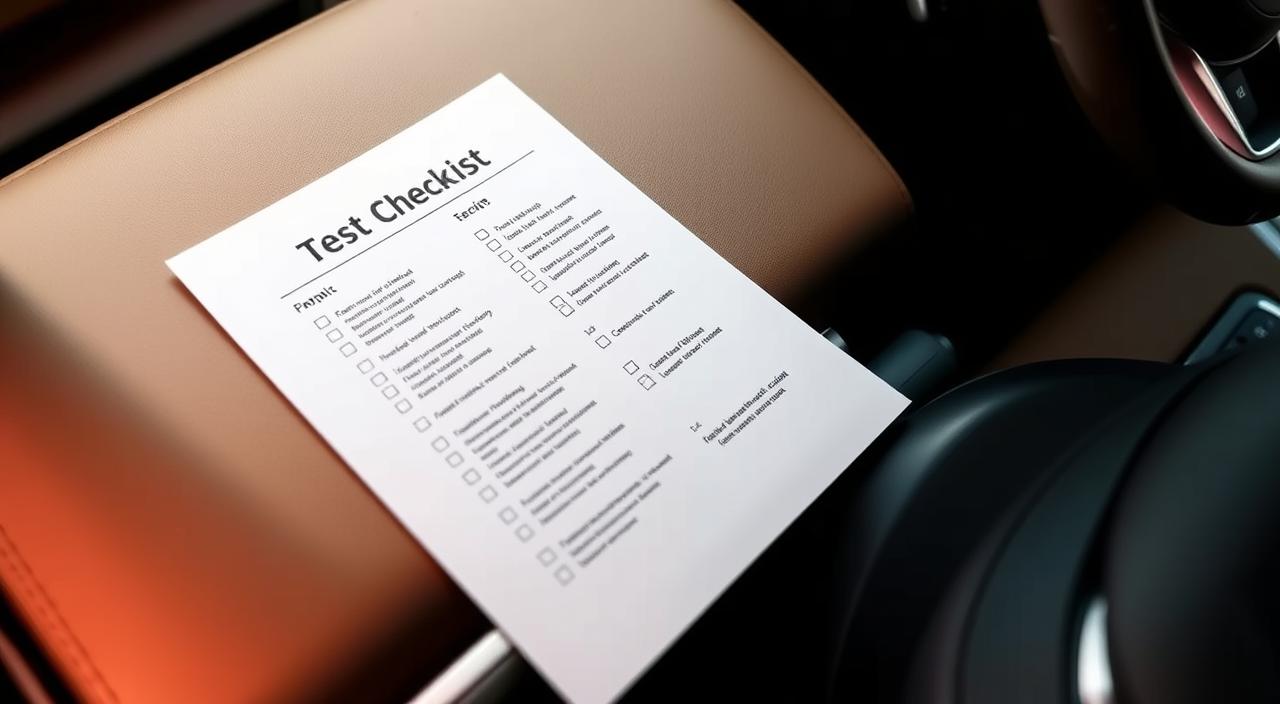
This guide provides a 20-minute test-drive checklist to help you compare multiple vehicles objectively, making your purchasing decision more informed.
Why Your Test Drive Strategy Matters
When buying a car, the test drive is a crucial step that shouldn’t be rushed. It’s a short amount of time for such an important and costly purchase. Many cars have personalities, and it’s essential to find one that matches yours.
The High Stakes of a Quick Decision
The average car buyer spends less than 20 minutes test driving a vehicle before making a purchase decision worth tens of thousands of dollars. Without a structured test drive checklist, buyers often focus on superficial features while missing critical performance, comfort, and reliability indicators.
How This 20-Minute Checklist Will Save You Thousands
A methodical test drive strategy helps you identify potential issues that dealerships might not voluntarily disclose about both new and used cars. This 20-minute checklist creates a level playing field for comparing multiple vehicles objectively rather than emotionally.
| Benefits | Description |
|---|---|
| Comprehensive Evaluation | Transforms the test drive into a thorough assessment of the vehicle’s performance, comfort, and reliability. |
| Objective Comparison | Helps compare multiple vehicles based on critical factors rather than emotional appeal. |
| Negotiation Power | Identifies specific issues that can be used to negotiate price adjustments. |
By following this structured approach, you’ll be confident in your final decision, whether you’re buying a new car or a used car, by ensuring all critical aspects have been properly assessed.
Before Heading to the Dealership: Preparation Checklist
Before stepping into a dealership, it’s essential to have a strategy for your test drive. A well-prepared test drive can make a significant difference in your car-buying experience.
Research Models and Trim Levels
Start by researching specific car models and their trim levels online. Understand the available features, pricing, and common issues reported by current owners. This research will help you create a personalized test drive checklist based on your needs and priorities, such as fuel economy, cargo space, or advanced safety features.
Bring the Right Items With You
- Bring essential documents including your driver’s license, proof of insurance, and pre-approval for financing if you’re planning to purchase immediately.
- Pack personal items that you regularly travel with to test fit in the vehicle, such as car seats, strollers, sports equipment, or musical instruments.
Essential Documents
Make sure you have all necessary documents ready to streamline the process.
Personal Items to Test Fit
Testing the fit of your personal items in the car will help you assess its practicality.
Plan Your Test Drive Route
Plan your test drive route in advance to include various road conditions: highways for acceleration and noise testing, city streets for maneuverability, and rough roads to evaluate suspension.
Schedule enough time (at least 30-45 minutes) for a thorough test drive without feeling rushed by the salesperson.
The Complete Test Drive Checklist: Exterior and Interior Inspection
The test drive is your opportunity to inspect the car’s condition, features, and performance thoroughly. A comprehensive test drive involves a detailed examination of both the exterior and interior of the vehicle to ensure it meets your expectations and needs.
Exterior Inspection Points
Begin your test drive with a thorough exterior inspection. Walk around the car to inspect its lines, quality of assembly, and body panel alignment. Check the paint quality and door handles for any signs of damage or wear.
Body Panel Alignment and Paint Quality
Examine the body panel alignment to ensure all parts fit together seamlessly. Check the paint quality for any inconsistencies or damage that might indicate previous repairs.
Doors, Trunk, and Hood Operation
Test all doors, trunk, and hood to ensure they open and close smoothly, with proper alignment and no unusual sounds that could indicate structural issues.
Interior Comfort Assessment
Evaluate interior comfort by adjusting the driver’s seat in all available directions, testing lumbar support, and assessing whether the steering wheel position can be optimized for your body type.
Seating Adjustability and Comfort
Check the seating adjustability and comfort by sitting in all passenger positions. Ensure there’s adequate legroom and headroom for all passengers.
Visibility and Blind Spots
Check visibility from all angles, paying special attention to blind spots. Ensure that visibility aids like blind spot monitoring systems function effectively.
Technology and Controls Evaluation
Test the infotainment system’s usability by connecting your phone via Bluetooth or Apple CarPlay, programming the navigation system, and assessing menu intuitiveness.
Infotainment System Usability
Evaluate the infotainment system for ease of use and functionality. Ensure that all features are responsive and intuitive.
Climate Control and Essential Features
Check the climate control and other essential features such as air conditioning, windshield wipers, and headlights to ensure they are easily accessible and functional.
By following this comprehensive test drive checklist, you can ensure that you thoroughly evaluate the car’s condition, features, and performance, making an informed decision when purchasing your next vehicle.
On-Road Performance Evaluation Checklist
Evaluating a car’s on-road performance is crucial for making an informed purchase decision. This involves assessing various aspects of the vehicle’s behavior under different driving conditions.
Engine and Acceleration Testing
When testing the car’s engine and acceleration, pay attention to how it responds at various speeds. You should evaluate low-speed acceleration from stops, mid-range power for passing, and highway merging capabilities.
Low-Speed Response
Check how smoothly the car accelerates from a standstill. A responsive engine is essential for safe merging onto busy roads.
Highway Merging Power
Assess the car’s ability to accelerate smoothly and quickly when merging onto highways. This is crucial for safe integration into high-speed traffic.
Braking and Handling Assessment
Braking performance is just as important as acceleration. Test the brakes at different speeds to evaluate their responsiveness and firmness.
Braking Feel and Responsiveness
Pay attention to how the brakes feel when you apply them gently or firmly. They should be responsive and not cause the car to pull to one side.
Steering and Cornering Behavior
Take the car through turns and curves to assess its handling. The steering should be responsive, and the car should feel stable and well-balanced.
Ride Quality and Noise Levels
The ride quality and noise levels inside the cabin can significantly impact your driving experience. Assess how the car handles different road surfaces and pay attention to any excessive noise.
Suspension Performance Over Different Surfaces
Drive over various road surfaces, including rough pavement, to evaluate how well the suspension absorbs bumps.
Cabin Noise (Wind, Road, Engine)
Listen for wind noise around windows or mirrors, road noise from the tires, and engine noise during acceleration. A quieter cabin enhances comfort, especially on long highway drives.
Parking and Maneuverability
Finally, assess the car’s parking and maneuverability features. This includes evaluating the turning radius and testing any parking assistance features.
Turning Radius
Test the car’s turning radius in a parking lot to understand how easily it can be maneuvered into tight spaces.
Parking Assistance Features
If the car is equipped with parking sensors or cameras, test these features to see how they aid in parking maneuvers.
| Performance Aspect | Key Evaluation Points |
|---|---|
| Engine and Acceleration | Low-speed response, highway merging power, smooth acceleration |
| Braking and Handling | Braking feel, steering responsiveness, cornering stability |
| Ride Quality and Noise | Suspension performance, cabin noise levels, ride comfort |
| Parking and Maneuverability | Turning radius, parking assistance features, ease of parking |
Making Your Final Decision After the Test Drive
After completing your test drive, it’s essential to take a step back and reflect on your experience. Let the salesperson give their pitch before you make any commitments or discuss pricing. Take time to compare your test drive notes against your original requirements list to check whether the vehicle meets your essential needs for space, features, comfort, and performance.
Consider scheduling a second test drive at a different time of day or in different weather conditions to see how the car performs in various environments. For used cars, request service records and consider having an independent mechanic inspect the vehicle before making a final decision.
When evaluating the vehicle, calculate the total cost of ownership beyond the purchase price, including insurance, expected maintenance, fuel costs, and depreciation. If you’re test driving multiple vehicles, create a comparison chart to rate each car on key factors like driving experience, comfort, features, and value.
Also, check whether extended warranties or service packages are available and evaluate their value for your driving habits. Consider how the vehicle’s features align with your long-term needs, including family changes or lifestyle modifications. Research current incentives, rebates, and financing options to understand the best time to buy and maximize your purchasing power. Trust your instincts about how the car felt during the test drive.