Did you know that over 1 million vehicles are auctioned off annually on Copart, a leading online vehicle auction platform? This staggering number highlights the vast opportunities available for buyers looking to purchase salvage, damaged, or clean title vehicles at discounted prices.
As you navigate the world of online vehicle auctions, it’s essential to understand the process and potential risks involved. This comprehensive copart salvage guide is designed to educate you on the ins and outs of buying vehicles through Copart, from understanding salvage titles to determining which vehicles are worth the investment.
With the right knowledge and strategies, you can capitalize on the benefits of purchasing through Copart, including significant cost savings and access to a wide variety of vehicles. Let’s dive into the world of Copart and explore what’s possible.
Understanding the Copart Salvage Guide
When diving into the world of salvage vehicle auctions, understanding the nuances of Copart is crucial. Copart is one of the largest salvage vehicle auction companies in the United States, operating with a unique system and fee structure.
What is Copart and How Does It Work
Copart is an online auction platform that connects buyers with sellers of salvage vehicles. It primarily works with insurance companies, providing them with a platform to auction off vehicles that have been deemed total losses. Buyers can browse and bid on these vehicles, which can range from slightly damaged to heavily wrecked cars.
The process involves registering on the Copart website, browsing available vehicles, and placing bids. Copart’s platform is designed to be user-friendly, allowing buyers to filter vehicles by various criteria, including make, model, and damage severity.
The Difference Between Copart and IAA
While both Copart and Insurance Auto Auctions (IAA) are major players in the salvage vehicle auction industry, they have distinct differences in their operations. Copart tends to have more exclusive relationships with certain insurance companies, resulting in different inventory mixes compared to IAA.
The fee structures also vary between the two companies. Copart’s fees can be complex, with factors such as buyer premiums and payment options influencing the total cost. Understanding these differences is key to choosing the right platform for your needs.
Many serious buyers maintain memberships with both Copart and IAA to access the widest selection of vehicles. By understanding the differences between these platforms, buyers can make informed decisions about where to focus their efforts.
Navigating Salvage Titles: What You Need to Know
Navigating the complex world of salvage titles requires knowledge and caution. When buying a vehicle from Copart, understanding the implications of a salvage title is crucial.
Defining Salvage, Rebuilt, and Clean Titles
A salvage title is assigned to a vehicle that has been damaged to the point where repairs would cost a significant percentage of its value, typically ranging from 50% to 100% depending on the state. A rebuilt title is given after a salvage vehicle has been repaired and inspected, indicating that it is now roadworthy. A clean title signifies that the vehicle has not been declared salvage and has no major issues recorded.
Understanding these definitions is vital because they directly impact the vehicle’s value, insurability, and resale potential.
State-by-State Title Regulations
State regulations regarding salvage and rebuilt titles vary significantly. Some states have specific categories for salvage vehicles, such as flood or fire damage, while others use a single designation. The process for converting a salvage title to a rebuilt title also differs dramatically, with some states requiring extensive documentation and inspections, while others have more lenient requirements.
For instance, you can bid on any vehicle in Oregon, but there may be restrictions in California and partial restrictions in Washington. It’s essential to research your state’s specific requirements to avoid complications when registering your vehicle.
Key points to consider include:
- Different thresholds for what qualifies as a salvage vehicle
- Varying inspection requirements for rebuilt titles
- Restrictions on who can purchase salvage vehicles
- Potential complications when buying in one state and registering in another
- Additional disclosure requirements when selling a previously salvaged vehicle
By understanding these factors, you can navigate the complex landscape of salvage titles and make informed decisions when purchasing a vehicle from Copart.
Setting Up Your Copart Account
Getting started with Copart requires creating an account, a simple yet crucial step. To begin, you’ll need to register on the Copart website, providing some basic information about yourself or your business.
Registration Process and Requirements
The registration process is straightforward. You’ll need to provide your name, email address, and other details. If you’re registering as a business, you’ll need to provide additional documentation, such as a business license. Once you’ve completed the registration, you’ll be able to start browsing Copart’s inventory and placing bids.
To bid on vehicles, you’ll need to fund your account. The amount you deposit will determine your buying power, which is essential for securing the vehicle you want.
Membership Tiers and Buying Power
Copart offers various membership tiers, each with its benefits and limitations. The tiers range from Basic to Premier, with higher tiers offering lower fees and increased buying power. When choosing a membership tier, consider how often you plan to bid and the value of the vehicles you’re interested in.
The money you deposit into your Copart account is held as security and is not applied to your purchases. To manage your buying power efficiently, especially when bidding on multiple vehicles, it’s essential to understand how the deposit system works and to keep sufficient funds in your account.
By comparing the different membership tiers and understanding the associated costs, you can make an informed decision about which tier is right for you. Additionally, consider the benefits of business memberships, which may offer advantages in terms of documentation requirements and fees.
Understanding Copart Fees and Hidden Costs
To navigate Copart successfully, you need to be aware of the fees and costs associated with buying a salvage vehicle. While Copart provides a platform for purchasing salvage vehicles at competitive prices, the total cost involves more than just the winning bid amount.
Copart charges various fees to buyers, which can be broken down into several categories. Understanding these fees is crucial for budgeting and avoiding unexpected expenses.
Buyer Fees Breakdown
Copart’s buyer fees include a range of charges that are applied to the purchase of a vehicle. These fees can vary based on the type of vehicle, its condition, and the location of the sale. Some of the key fees to be aware of include:
- Purchase price: The amount you bid on the vehicle.
- Buyer’s fee: A percentage of the purchase price or a flat fee, depending on the sale.
- Additional fees: These may include gate fees, storage fees, and other charges.
Payment Methods and Associated Costs
Copart offers various payment methods, each with its own set of costs. Understanding these can help you minimize additional expenses. The available payment methods include:
- Credit cards: While convenient, using a credit card typically incurs a surcharge, often around $80.
- Wire transfers: Generally free from Copart’s end, but your bank may charge a fee.
- ACH payments: Electronic payments that are usually fee-free.
- Cashier’s checks and money orders: Fee-free but require in-person transactions.
It’s essential to note that missing the payment deadline can result in additional fees. You typically have 3 days to pay for the vehicle and 5 days to pick it up. Failing to meet these deadlines can lead to extra costs.
When using a credit card, be aware that the surcharge can be significant. For international buyers, additional complexities and fees apply due to currency conversion and international transfer charges.
To minimize costs, consider maintaining a dedicated bank account for auction purchases or upgrading your membership for frequent buys.
Researching Vehicles Before Bidding
To avoid costly mistakes, researching the vehicle before bidding is essential. When buying a car at Copart, understanding the vehicle’s history and condition is crucial for making an informed decision.
Decoding Copart Listings and Condition Reports
Copart provides detailed listings and condition reports for vehicles. However, it’s up to you to decode this information effectively. Look for details on the vehicle’s condition, including any damage and repair estimates. Understand that Copart’s reports might not always reveal the full history of the vehicle.
Pay close attention to the vehicle’s documentation, including the title status and any available service records. This information can give you insights into the vehicle’s past and help you assess its potential for future reliability.
Using VIN Checks and External Resources
One of the most critical steps in researching a vehicle is running a VIN check through multiple vehicle history report services. This can uncover hidden issues such as accident history, title changes, and odometer readings that may not be disclosed in the Copart listing.
Utilize free and paid VIN check services to get a comprehensive view of the vehicle’s history. Additionally, research the specific make and model for common issues, recall information, and repair costs using manufacturer forums and model-specific websites. Checking market values through resources like Kelley Blue Book, NADA, and local marketplace listings will also help you determine potential profit margins.
Estimating repair costs accurately is vital. Consult with mechanics, body shops, and parts suppliers before bidding to get a realistic estimate of the costs involved. Using Google image search to find similar damaged vehicles can also help you assess repair complexity and parts availability.
Be cautious of vehicles with suspicious histories, such as those that have been through multiple salvage auctions in a short period. Thorough research is the most important factor in successful Copart purchasing, often more important than finding the lowest-priced vehicle.
The Importance of In-Person Inspection
A personal inspection is key to uncovering the true condition of a Copart vehicle. While online listings and condition reports provide valuable information, they can’t replace the insight gained from a hands-on examination.
What to Look For During a Preview
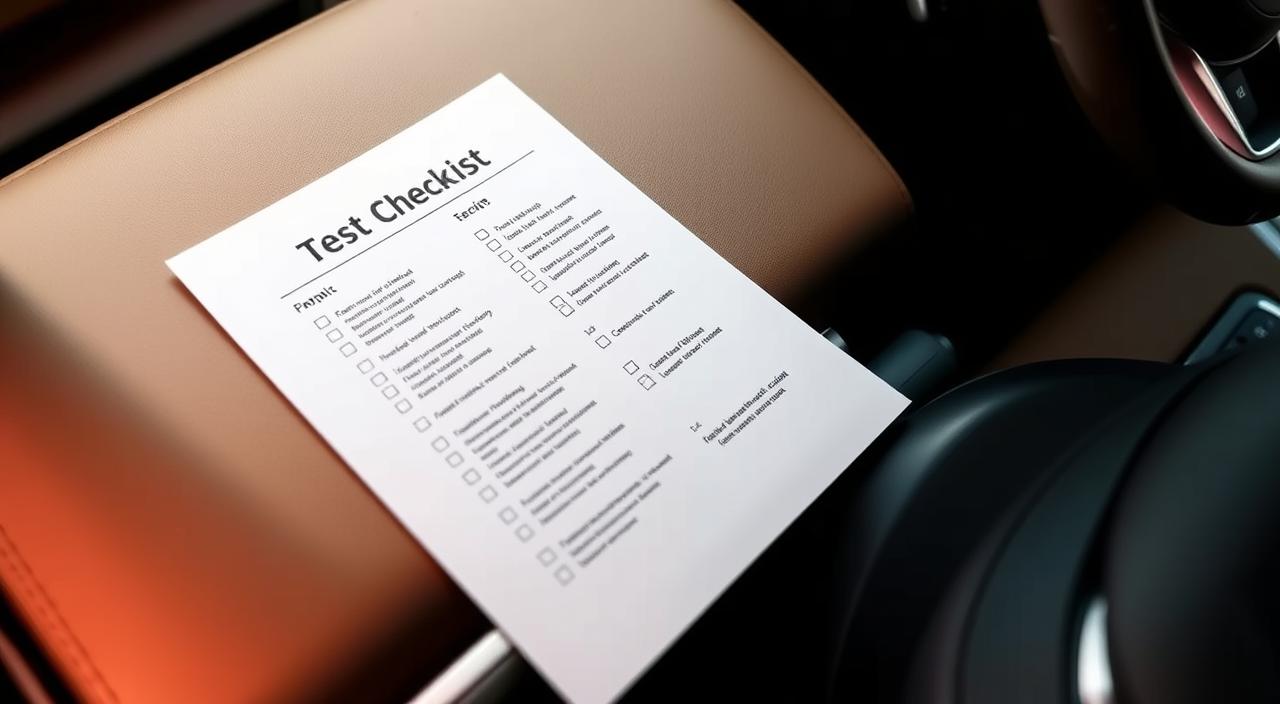
When inspecting a vehicle, start by checking its overall condition. Look for signs of damage, wear, and tear. Check the body for dents, scratches, and rust spots. Inspect the tires for uneven wear, which could indicate alignment issues. Check the vehicle’s fluids, including engine oil, transmission fluid, coolant, and brake fluid, to ensure they’re at the recommended levels and not contaminated.
Tools to Bring for Inspection
To conduct a thorough inspection, you’ll need the right tools. Essential items include a flashlight to illuminate dark areas, a mirror to inspect hard-to-see spots, an OBD scanner to check for diagnostic trouble codes, a tire pressure gauge to ensure proper inflation, and a digital multimeter to test electrical systems. Bringing a portable jump starter or battery pack is also a good idea, as many vehicles on Copart have dead batteries.
You should also consider bringing documentation tools like a notepad, camera, and measuring tape to record your findings and dimensions for parts ordering. Reference materials specific to the vehicle’s make and model can also be helpful.
Here is a list of tools you may find useful during an inspection:
- Flashlight
- Mirror
- OBD scanner
- Tire pressure gauge
- Digital multimeter
- Portable jump starter or battery pack
- Notepad and pen
- Camera
- Measuring tape
When traveling to inspect a vehicle, be mindful of the tools you bring, especially if you’re flying. Generally, it’s best to avoid sharp objects, items over 7 inches long, and fluids. Consider packing your tools in a separate bag and declaring them to security to avoid any issues.
| Tool | Purpose | Travel-Friendly |
|---|---|---|
| Flashlight | Illuminate dark areas | Yes |
| OBD Scanner | Check diagnostic trouble codes | Yes |
| Tire Pressure Gauge | Check tire pressure | Yes |
| Digital Multimeter | Test electrical systems | Yes |
| Portable Jump Starter | Jump-start dead batteries | No (check with airline) |
“The importance of a thorough inspection cannot be overstated. It’s the difference between a smart purchase and a costly mistake.”
By following these guidelines and bringing the right tools, you can make a more informed decision when buying a vehicle on Copart.
Bidding Strategies That Actually Work
To maximize your chances of winning a Copart auction, it’s essential to understand effective bidding strategies. A well-informed approach can help you navigate the complexities of the auction process and make informed decisions that save you money and reduce unnecessary fees.
Live Bidding vs. Pre-Bidding
Copart offers both live bidding and pre-bidding options. Live bidding allows you to participate in real-time auctions, where you can bid against other buyers. Pre-bidding, on the other hand, enables you to place a maximum bid in advance, and the system will automatically bid on your behalf up to your specified amount.
When deciding between live and pre-bidding, consider your comfort level with the auction process and your ability to monitor the auction in real-time. Some buyers prefer the excitement of live bidding, while others appreciate the convenience of pre-bidding.
Setting Realistic Bid Limits
Setting a realistic bid limit is crucial to avoiding financial losses. To determine your maximum bid, consider the following factors:
- Research the vehicle’s value in both damaged and repaired conditions to establish a fair market price.
- Estimate repair costs, including parts, labor, and any additional expenses.
- Factor in all associated costs, such as fees, transportation, and title conversion expenses.
- Consider the potential resale value or usage value of the vehicle.
By carefully evaluating these factors, you can set a bid limit that balances your desire to win the auction with the need to stay within your budget. It’s also essential to maintain discipline during the bidding process and avoid exceeding your pre-determined maximum bid, even when faced with the excitement of a live auction.
To further refine your bidding strategy, consider the type of auction you’re participating in. For “pure sale” auctions, the vehicle will be sold to the highest bidder regardless of the price. In contrast, auctions with reserves may lead to counteroffers if your bid is not satisfactory to the seller.
Types of Damage: What’s Fixable and What’s Not
When evaluating vehicles on Copart, understanding the types of damage is crucial for making informed bidding decisions. The extent and nature of the damage can significantly impact the vehicle’s repair cost and overall value.
Front and Rear Impact Damage
Front and rear impact damage is common in salvage vehicles. This type of damage can range from minor cosmetic issues to major structural problems. When assessing front or rear impact damage, look for signs of frame deformation, airbag deployment, and any potential misalignment of critical components like the engine or transmission. Repair costs can vary widely depending on the severity of the impact and the vehicle’s make and model.
Flood and Fire Damage
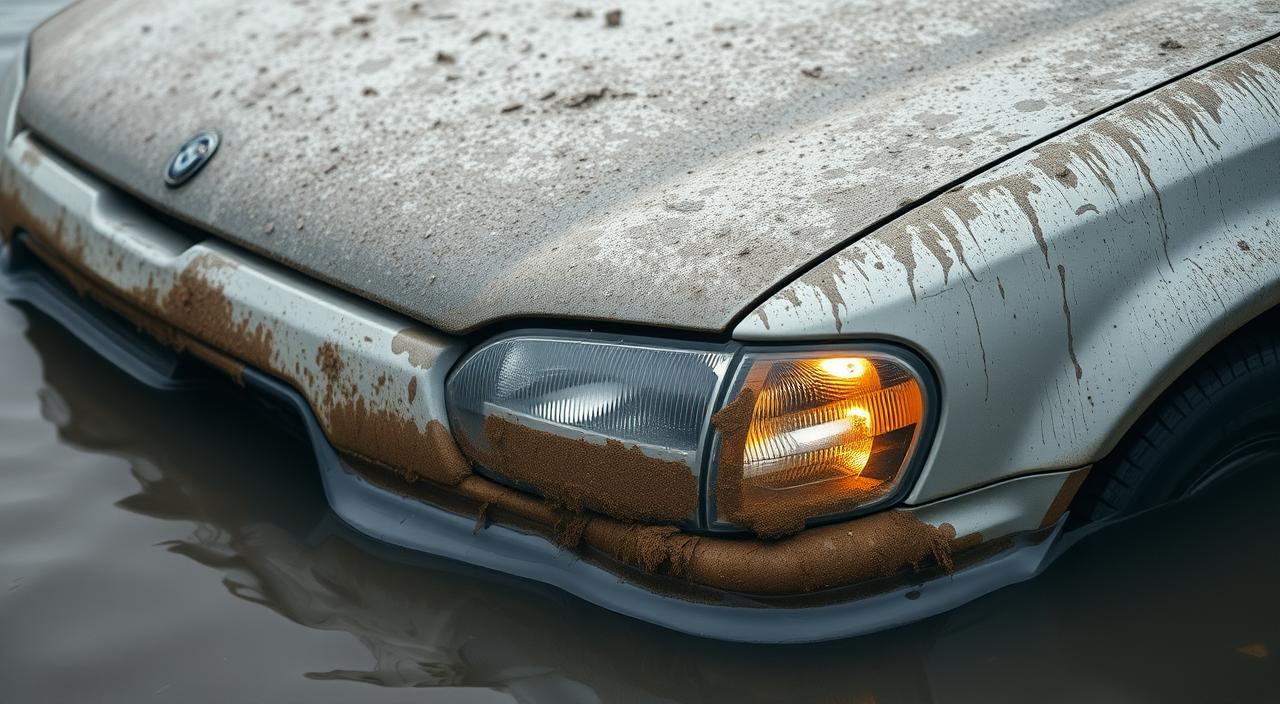
Flood and fire damage represents some of the most severe types of harm a vehicle can sustain. Flood damage can lead to hidden electrical issues and long-term corrosion problems, while fire damage can compromise the structural integrity of the vehicle. Be cautious when considering vehicles with these types of damage, as repair costs can be prohibitively high, and some issues may not be immediately apparent.
Mechanical Issues and Engine Damage
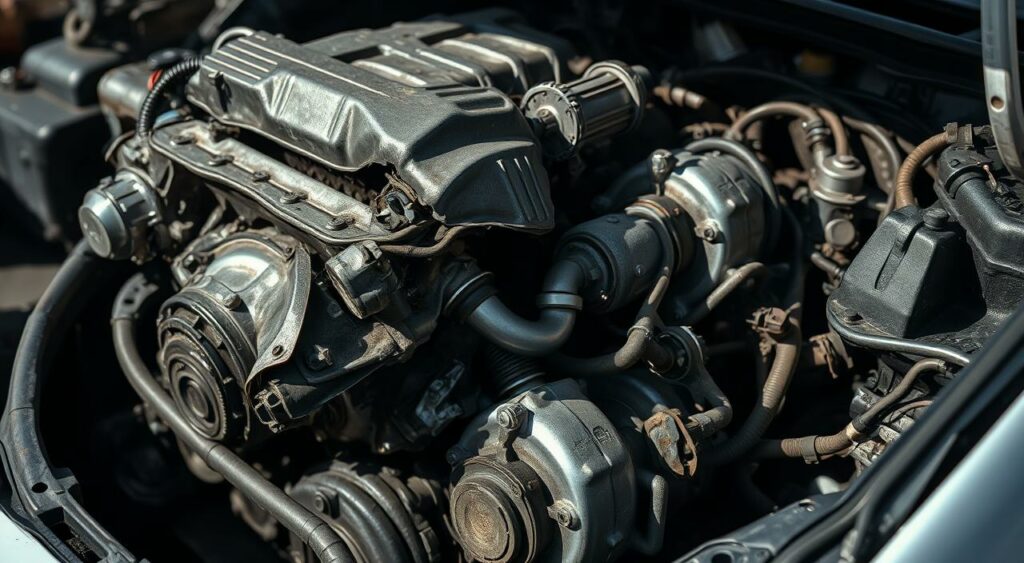
Engine damage is a critical concern when buying a salvage vehicle. Issues like a blown turbo or audible engine knock can indicate significant problems. A skilled mechanic can often diagnose these issues by checking for fluid leaks, smoke evidence, and damaged components. The “Run and Drive” designation doesn’t always guarantee the vehicle’s mechanical condition, as many vehicles with significant issues can still technically start and move.
When assessing mechanical issues, consider the cost of repairs. Some problems, like a faulty water pump, may be relatively inexpensive to fix, while others, such as internal engine damage, can be costly. It’s essential to be aware that some sellers might conceal mechanical issues temporarily, making it crucial to inspect the vehicle thoroughly or seek the advice of a trusted mechanic.
As one Copart user noted, “I could see bidding on a vehicle with mechanical damage, I’m a better mechanic than I am a body and paint person. If the price was right and the vehicle was worth the possible effort.” This highlights the importance of understanding your own capabilities and the potential for profit when dealing with vehicles that have mechanical issues.
Vehicles Worth Buying on Copart
The Copart auction site is filled with opportunities, but distinguishing between viable salvage vehicles and money pits requires expertise. Understanding which vehicles are worth buying is crucial for a successful salvage vehicle purchase.
Best Makes and Models for Rebuilds
Certain makes and models are more suitable for rebuilding than others. Typically, vehicles with readily available parts and simpler electronics are preferable. For instance, popular models like the Toyota Corolla or Honda Civic are often good candidates due to their reliability and the ease of sourcing parts.
Vehicles to Avoid at All Costs
On the other hand, some vehicles are best avoided due to their complexity, expensive parts, or history of significant issues. Luxury vehicles with advanced electronics and air suspension systems, such as certain Mercedes-Benz or BMW models, can become costly to repair. Additionally, vehicles with unexplained or vague damage descriptions should be approached with caution.
| Make/Model | Rebuild Potential | Reason |
|---|---|---|
| Toyota Corolla | High | Simple mechanics, readily available parts |
| Honda Civic | High | Reliable, easy to repair |
| Mercedes-Benz S-Class | Low | Complex electronics, expensive parts |
| BMW 7-Series | Low | Advanced features, costly repairs |
By understanding which vehicles to target and which to avoid, buyers can navigate Copart’s salvage lot more effectively. Always inspect vehicles thoroughly and research their history before bidding.
The Post-Auction Process
Once you’ve won an auction on Copart, it’s essential to navigate the subsequent steps with care to avoid any potential issues. Understanding the post-auction process is crucial for a smooth transition of your newly purchased vehicle.
Payment Deadlines and Pickup Procedures
After winning an auction, you must complete the payment within the specified timeframe. Copart typically requires payment within a few days of the auction. It’s crucial to review and understand the payment instructions provided by Copart to avoid any late fees or penalties.
Once payment is made, you’ll need to arrange for the pickup of your vehicle. Copart facilities are equipped to assist with loading your vehicle onto a trailer or preparing it for you to drive away, depending on your chosen transportation method.
Transportation Options for Your Vehicle
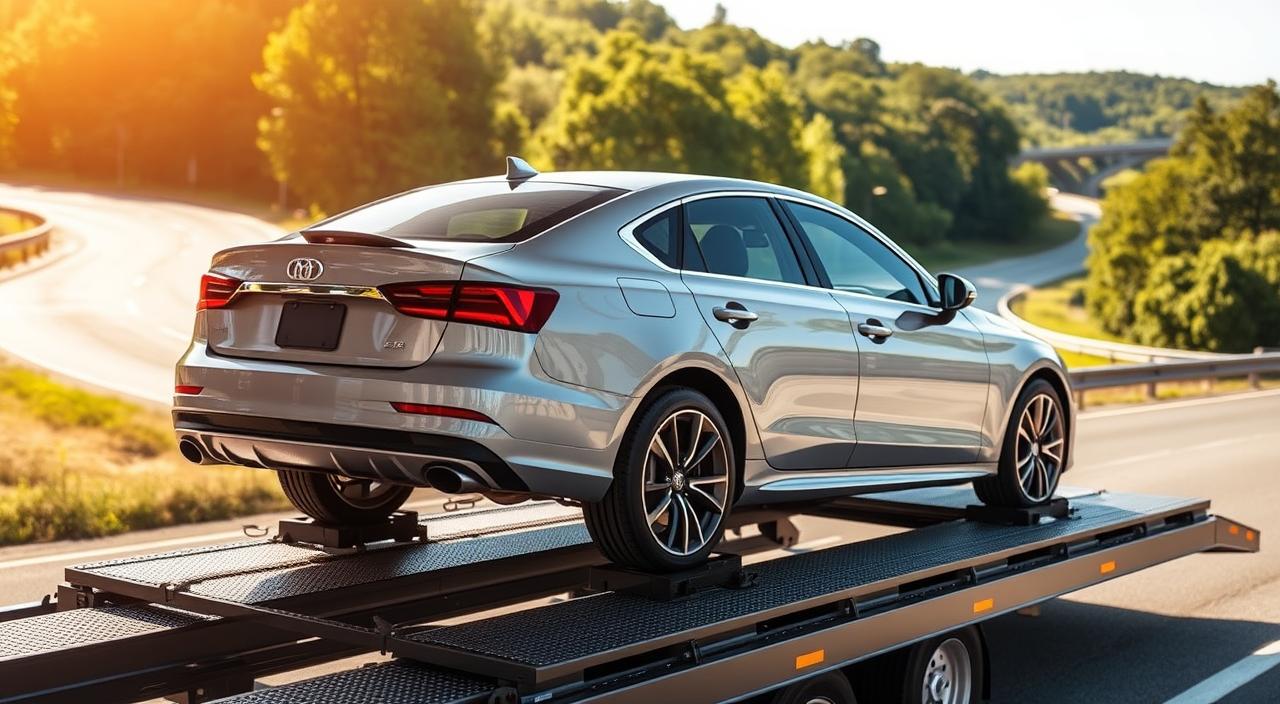
You have several options for transporting your purchased vehicle from the Copart yard to your location. You can drive it yourself, use your own trailer, or hire a professional transport service. Each method has its requirements and considerations.
Driving the vehicle yourself requires obtaining a temporary permit and ensuring you have the necessary insurance coverage. It’s also advisable to inspect the vehicle’s condition before driving it away. Copart staff can assist with some preparations, such as inflating tires and providing a jump pack if needed.
If you choose to use a trailer, Copart’s staff will typically assist with loading the vehicle. For those opting for professional transport, Copart has preferred providers that can be contacted to arrange for the vehicle’s transportation. It’s essential to compare costs, services, and reviews when selecting a transport company.
Regardless of the transportation method you choose, it’s vital to document the vehicle’s condition before it leaves the Copart yard. This ensures that any damage that occurs during transport can be identified and addressed accordingly.
Rebuilding Your Salvage Vehicle
You can save thousands of dollars by rebuilding a salvage vehicle. This process involves several key steps, from sourcing the right parts to executing the repairs. Whether you’re a seasoned DIY enthusiast or a novice, understanding the intricacies of rebuilding a salvage vehicle is crucial to success.
DIY vs. Professional Repairs
When it comes to rebuilding your salvage vehicle, one of the first decisions you’ll need to make is whether to tackle the repairs yourself or hire a professional. DIY repairs can save you labor costs, but they require time, patience, and mechanical aptitude. On the other hand, professional repairs offer expertise and warranty coverage but at a higher upfront cost.
The choice between DIY and professional repairs depends on the extent of the damage, your mechanical skills, and your budget. For minor repairs, DIY might be the way to go, but for complex rebuilds, seeking professional help is often the safer bet.
Sourcing Parts for Your Rebuild
Sourcing the right parts is a critical component of rebuilding your salvage vehicle. You have several options, including dealerships, OEM suppliers, salvage yards, and aftermarket manufacturers. Each source has its pros and cons, from cost and availability to quality and warranty.
To find the best parts for your rebuild, consider using online parts locator services like car-part.com and local salvage networks. These resources can help you identify donor vehicles that can provide multiple needed parts, potentially saving you money. When sourcing parts, it’s also crucial to verify part compatibility across different model years and trim levels to avoid costly mistakes.
Some components, like safety items and wear components, should always be purchased new to ensure reliability and safety. Others, like non-critical body parts, can often be sourced from salvage yards to save dollars. Properly removing, storing, and inventorying parts from donor vehicles can maximize their value and streamline your rebuild process.
Getting Your Rebuilt Vehicle Inspected and Titled
Completing the rebuild is just the beginning; you’ll then need to get your vehicle inspected and titled by your state’s authorities. This step is crucial as it ensures your vehicle is roadworthy and compliant with state regulations.
State Inspection Requirements
State inspection requirements vary significantly, so it’s essential to familiarize yourself with the specific regulations in your state. Typically, an inspection will check the vehicle’s safety features, emissions, and overall condition to ensure it meets state standards.
The inspection process usually involves a thorough examination of the vehicle’s repairs, verifying that all necessary work has been completed to a satisfactory standard. You may need to provide documentation of the repairs, including receipts and invoices.
Title Conversion Process
The title conversion process involves several steps, starting with an application to your state’s Department of Motor Vehicles (DMV). You’ll need to provide the necessary documentation, including the salvage title, bill of sale, repair receipts, and inspection certification.
| State | Title Conversion Waiting Period | Additional Fees |
|---|---|---|
| California | Immediate | $50 |
| Texas | 2-3 weeks | $75 |
| Florida | 1-2 weeks | $60 |
Once you’ve submitted your application, the DMV will process it, and you’ll receive a rebuilt title. This title will typically be branded as “rebuilt” or “reconstructed,” indicating that the vehicle has been previously salvaged and rebuilt.
It’s crucial to follow the exact procedure for your state, as deviations can result in title application rejection and significant delays. Be prepared for additional fees associated with the title conversion process beyond standard registration costs.
Insurance Considerations for Rebuilt Vehicles
After purchasing a rebuilt vehicle, you’ll need to navigate the complex world of insurance to protect your investment. Securing the right insurance coverage is crucial for rebuilt salvage vehicles, as it can significantly impact your financial liability and the vehicle’s overall value.
Finding Insurance Coverage
Finding insurance for a rebuilt vehicle can be challenging due to the associated risks. Some insurers specialize in covering rebuilt salvage vehicles, while others may be more hesitant. It’s essential to shop around and compare quotes from multiple providers to find the best coverage for your needs.
Understanding Coverage Limitations
Rebuilt vehicles often come with coverage limitations, particularly regarding comprehensive and collision coverage. Insurers may calculate the actual cash value of rebuilt vehicles at a lower rate than for clean-title equivalents. Understanding these limitations is vital to avoid surprises when filing claims.
Some key considerations include:
- Common coverage limitations for rebuilt salvage vehicles, especially regarding comprehensive and collision coverage.
- How insurers calculate actual cash value for rebuilt vehicles, which is often lower than for clean-title vehicles.
- The concept of “stated value” policies and their potential benefits for rebuilt vehicles.
- Policy exclusions that may apply specifically to rebuilt vehicles, such as pre-existing damage clauses.
- The importance of documenting your vehicle’s post-repair value through professional appraisals.
- How coverage limitations might affect financing options, as many lenders require full coverage insurance.
It’s crucial to thoroughly read and understand your policy’s specific language regarding rebuilt vehicles to avoid surprises when filing claims. By doing so, you can ensure that you have the right coverage in place to protect your investment.
Is Copart Worth It? Real-World Success Stories and Cautionary Tales
To determine if Copart is worth it, we need to examine both the successes and failures of those who have used the platform. The stories of Copart buyers are a mix of significant savings and cautionary tales of costly mistakes.
Successful Copart purchases often result from thorough research, realistic expectations, and proper budgeting for unexpected issues. For instance, a buyer might purchase a salvage vehicle, invest in repairs, and then sell it for a substantial profit. However, not all projects yield positive outcomes. Some buyers have reported significant losses due to underestimating repair costs, title issues, or unexpected mechanical problems.
Let’s consider a few case studies to illustrate the potential profits and losses. A buyer purchased a salvage vehicle for $2,000, spent $1,500 on repairs, and sold it for $6,000, making a $2,500 profit. In contrast, another buyer spent $3,000 on a salvage vehicle, incurred $2,000 in repair costs, but was unable to sell it for more than $4,000, resulting in a loss.
The definition of a “successful” Copart purchase varies depending on the buyer’s goals. For personal use, success means acquiring a reliable vehicle at a low cost. For resale, it’s about buying low and selling high. For parts harvesting, success is extracting valuable components at a lower cost than buying new.
Market conditions and vehicle values significantly impact the viability of Copart purchases. Profit margins have changed in recent years, making it essential for buyers to stay informed. To determine if Copart is right for you, consider your mechanical skills, available time, financial resources, and risk tolerance.
Many professional rebuilders purchase multiple vehicles, knowing that profits from successful projects will offset occasional losses. For first-time buyers, it’s advisable to start small, learn from each purchase, and gradually build the expertise needed for more complex projects.
In conclusion, while Copart can offer exceptional value for informed buyers, it requires significant knowledge, patience, and sometimes luck to be consistently successful. By understanding the potential risks and rewards, you can make informed decisions and navigate the Copart platform effectively.