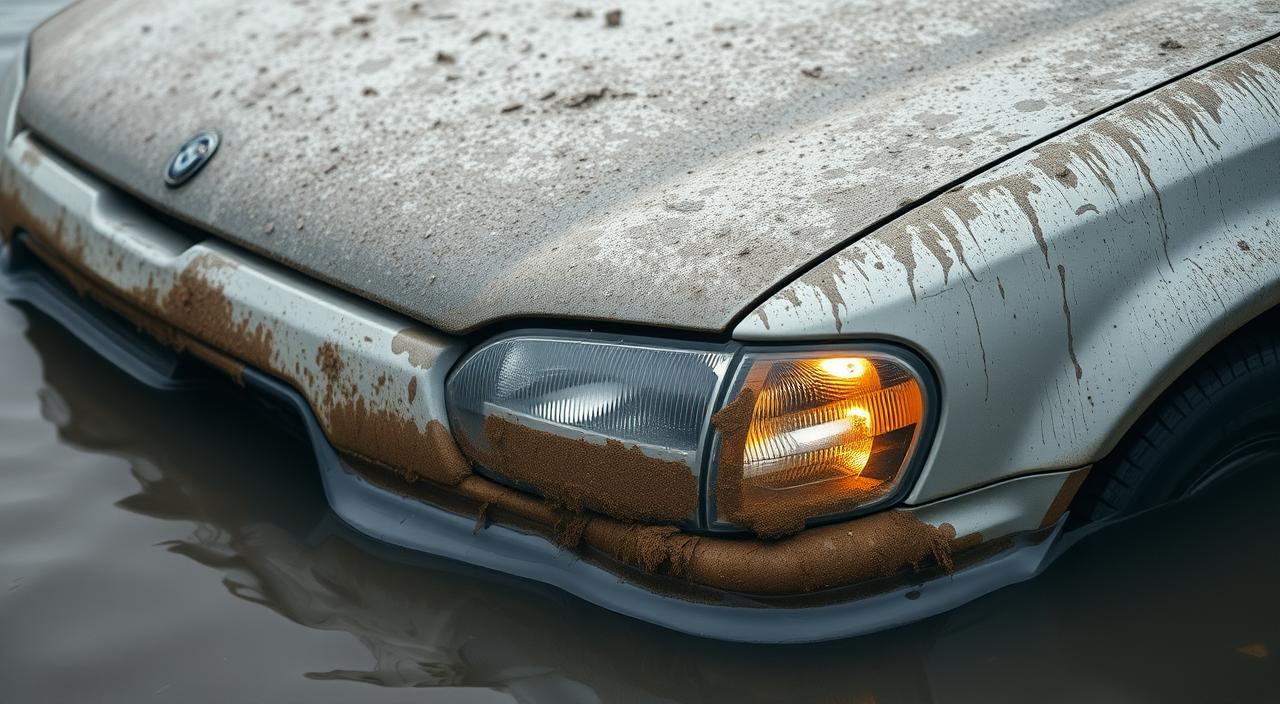
In 2023 alone, around 452,000 flood-damaged vehicles were back on the roads, a significant increase from previous years, according to Carfax. This staggering number highlights the growing concern for buyers of used cars, as flood-damaged vehicles are often resold far from storm-affected areas, catching buyers off guard.
Floodwater can cause irreversible damage to a vehicle’s electronics, mechanical systems, and interior. While the effects of water exposure may not be immediately visible, long-term problems like corrosion can appear months or even years later, affecting vital systems such as airbag controllers. To avoid costly repairs and safety hazards, it’s crucial to identify signs of water damage before making a purchase decision.
Understanding how to spot a flood-damaged car is essential, regardless of where you live, as these vehicles are frequently transported and sold in areas far from where the flooding occurred. This guide will walk you through the essential steps to quickly identify signs of damage and make an informed decision when buying a used vehicle.
Why Flood-Damaged Cars Are a Hidden Danger
The dangers associated with flood-damaged vehicles are often underestimated, making them a hidden risk for consumers. When a car is submerged in water, the damage can be extensive, affecting not just the upholstery but also critical mechanical components.
Rising Problem of Flood-Damaged Vehicles
Flood-damaged cars are increasingly becoming a concern due to the frequency of natural disasters. After major flood events, many vehicles are sold to unsuspecting buyers without proper disclosure of their history.
How Flood-Damaged Cars Enter the Market
Flood-damaged vehicles often enter the resale market through “title washing,” where sellers exploit inconsistencies in vehicle title information systems across different states. The National Motor Vehicle Title Information System (NMVTIS) was created to prevent this, but gaps in implementation allow many flood-damaged vehicles to receive clean titles. Checking vehicle history reports is crucial, but even these can be incomplete if the damage is not reported.
To protect yourself, it’s essential to look beyond reports and inspect the vehicle thoroughly, considering the salvage history and any potential for hidden damage. Utilizing service providers that offer detailed vehicle history can also aid in making an informed purchase.
Performing a Thorough Flood Car Check
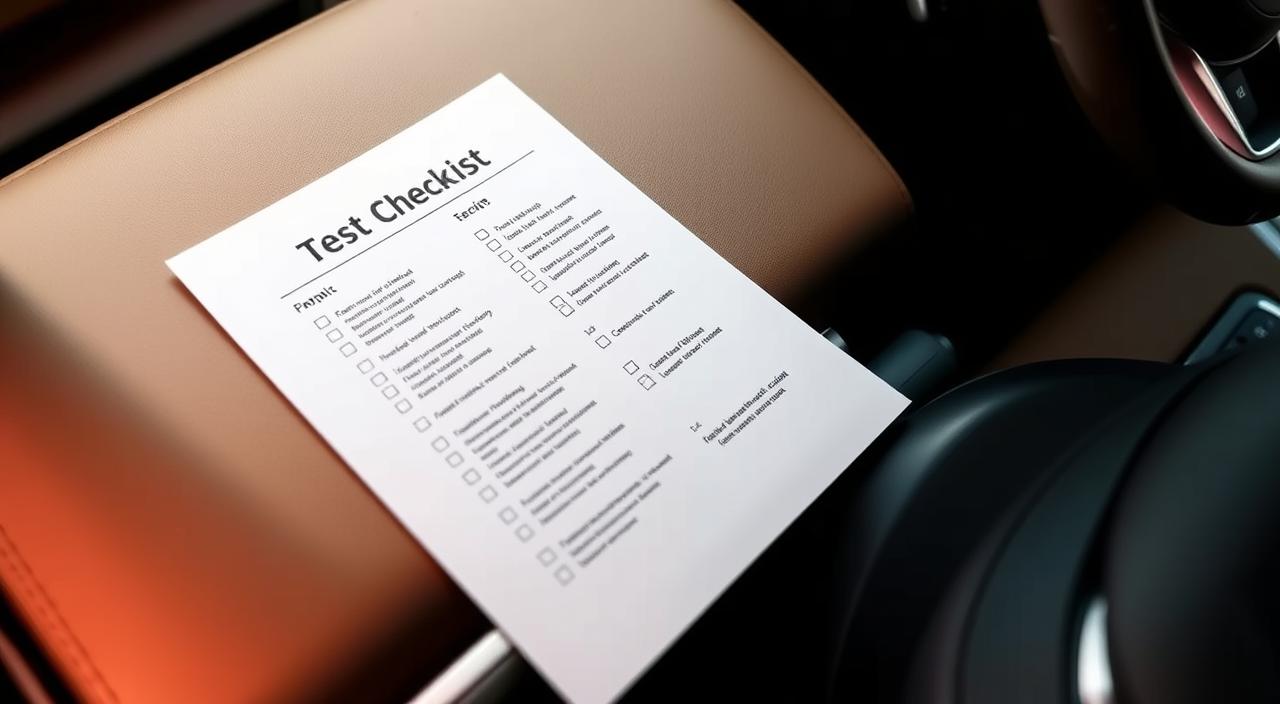
Flood damage can be devastating, so knowing how to check for it in a used car is essential. When buying a used car, it’s crucial to perform a thorough flood car check to avoid potential hidden dangers. This process involves a comprehensive visual inspection of both the vehicle’s exterior and interior.
Start by examining the vehicle’s interior for telltale signs of water damage, including musty odors, water stains on upholstery, new carpet in an older vehicle, rust on exposed metal parts, and dirt or silt in hard-to-reach areas like under the dashboard or seat tracks.
The electrical system requires careful testing, as water damage often manifests in malfunctioning electronics. Test all lights, power windows, radio, air conditioning, and other electrical components for inconsistent operation or unusual behavior. Additionally, inspect under the hood for signs of rust, corrosion on battery terminals, water lines on the engine components, and check fluid reservoirs for contamination that might indicate water intrusion.
Look beneath the vehicle for excessive rust that doesn’t match the car’s age, paying particular attention to brake components, suspension parts, and frame elements that would have been submerged during flooding. Beyond physical inspection, obtain and review the vehicle history report through services like Carfax or the National Motor Vehicle Title Information System (NMVTIS) to check for reported flood damage or suspicious gaps in the vehicle’s history.
Have a professional mechanic conduct a pre-purchase inspection, as they can identify hidden flood damage in components that aren’t visible during a casual inspection. Be wary of vehicles priced significantly below market value without clear explanation, as this can be a red flag that the seller is trying to quickly offload a flood-damaged car.