Did you know that a good credit score can be the key to unlocking better financial opportunities? With a healthy credit profile, you can qualify for lower interest rates on loans, credit cards, and even apartments. However, building a strong credit history takes time and a strategic approach.
You can establish a solid credit foundation in just 90 days by following a well-structured plan. This comprehensive guide will walk you through a 90-day journey to build credit quickly and safely. You’ll learn how to leverage the five key factors that influence your credit score and avoid common debt traps that can derail your progress.
By the end of this plan, you’ll be on your way to a better financial future, with a improved credit score and a clearer understanding of how to maintain it.
Why Your Credit Score Matters
A good credit score can open doors to better financial opportunities, while a poor score can limit your options. Your credit score is a three-digit number that represents your creditworthiness, and it plays a significant role in determining the interest rates you’ll qualify for and whether you’ll be approved for credit.
The Impact of Credit on Your Financial Life
Your credit score has a substantial impact on your financial life. It affects your ability to secure loans, credit cards, and even apartments. A good credit score can help you qualify for lower interest rates, which can save you money over the life of a loan. On the other hand, a poor credit score can lead to higher interest rates and higher fees.
Understanding the FICO Score System
The FICO score is the most widely used credit score, ranging from 300 to 850. It’s calculated based on data from the three major credit bureaus: Equifax, Experian, and TransUnion.
The FICO score is determined by five key factors: payment history (35%), amounts owed (30%), length of credit history (15%), new credit (10%), and credit mix (10%). Understanding how FICO calculates your score allows you to focus on the factors that have the biggest impact.
| FICO Score Range | Credit Score Classification |
|---|---|
| 300-669 | Poor or Fair |
| 670-739 | Good |
| 740-850 | Very Good or Exceptional |
By understanding the FICO score system and its components, you can take steps to improve your credit score and enhance your financial health.
Understanding the 5 Factors That Build Credit Fast
To build credit fast, it’s essential to know the key elements that contribute to your credit score. Your credit score is a crucial aspect of your financial health, and understanding its components can help you make informed decisions.
Payment History: The Foundation of Good Credit
Payment history accounts for a significant portion of your credit score. Making timely payments is crucial, as late payments can negatively impact your score.
Credit Utilization: Keeping Balances Low
Keeping your credit utilization ratio low is vital. It’s recommended to use less than 30% of your available credit to demonstrate responsible credit behavior.
| Factor | Importance | Tips |
|---|---|---|
| Payment History | 35% | Make timely payments |
| Credit Utilization | 30% | Keep balances low |
| Length of Credit History | 15% | Monitor your credit age |
| Credit Mix | 10% | Diversify your credit |
| New Credit Applications | 10% | Space out applications |
Length of Credit History
A longer credit history can positively impact your score. Monitoring your credit age and keeping old accounts open can be beneficial.
Credit Mix: Diversifying Your Accounts
Diversifying your credit by having a mix of different account types can help improve your score.
New Credit Applications
New credit inquiries can temporarily lower your score. Spacing out applications and avoiding multiple inquiries in a short period can help minimize the impact.
Your 90-Day Credit Building Blueprint
Establishing a strong credit foundation in 90 days is achievable with the right strategy. To build credit fast, you need to focus on key factors that influence your credit score.
Days 1-30: Establishing Your Credit Foundation
In the first 30 days, your primary goal is to establish a solid credit foundation. This involves checking your credit reports for errors and disputing any inaccuracies. You should also consider applying for a secured credit card or becoming an authorized user on someone else’s account to start building credit.
Request a credit limit increase on your secured card if you’ve maintained perfect payment history, as this can improve your utilization ratio. Ensuring all your positive financial activities are being reported to all three credit bureaus is crucial.
Days 31-60: Building Positive Payment History
During the next 30 days, focus on building a positive payment history. Make timely payments on your credit card or loan accounts. Consider setting up automatic payments to avoid missing due dates. As your credit improves, you may qualify for a higher credit limit, which can help lower your credit utilization ratio if you maintain your good spending habits.
“Payment history accounts for 35% of your credit score, making it one of the most significant factors.” – Experian
Days 61-90: Optimizing Your Credit Profile
In the final 30 days, optimize your credit profile by diversifying your credit mix and keeping credit utilization low. Consider applying for a second credit card if your score has improved sufficiently, preferably one that offers rewards or benefits.
| Action | Days | Benefit |
|---|---|---|
| Check credit reports | 1-30 | Error correction |
| Apply for secured credit card | 1-30 | Start building credit |
| Make timely payments | 31-60 | Positive payment history |
| Diversify credit mix | 61-90 | Improved credit profile |
By following this 90-day blueprint, you can significantly improve your credit score and set yourself up for long-term financial success.
Best Credit Cards to Build Credit Fast

Building credit quickly requires a strategic approach to credit card selection. With numerous options available, it’s essential to choose a credit card that aligns with your financial goals and credit profile.
Secured Credit Cards: Your Starting Point
Secured credit cards are an excellent starting point for individuals with limited or no credit history. These cards require a security deposit, which becomes your credit limit, and can help you establish a positive payment history.
Student Credit Cards: College-Friendly Options
Student credit cards are designed for college students and offer more lenient approval requirements. These cards can help students build credit while managing their finances responsibly.
Retail and Store Credit Cards: Pros and Cons
Retail and store credit cards are offered by department stores or specific brands and are often easier to qualify for, even with limited or no credit history. However, they come with trade-offs such as limited use, high interest rates, and tempting discounts that can lead to overspending.
- Retail and store credit cards typically have more lenient approval requirements.
- They offer immediate discounts at sign-up and ongoing rewards or special financing for store purchases.
- The major downside is their significantly higher APRs, often exceeding 25%.
- Store cards come in two varieties: closed-loop cards and open-loop cards with Visa or Mastercard logos.
- The Amazon Prime Store Card and Target RedCard are among the better retail options, offering 5% back on purchases.
When choosing a credit card to build credit, it’s crucial to consider the card’s features, fees, and terms. By selecting the right credit card and using it responsibly, you can build a strong credit foundation and achieve your financial goals.
Alternative Ways to Build Credit Without a Credit Card
You don’t need a credit card to build credit; there are multiple pathways to achieving a healthy credit profile. While credit cards are a common method for establishing credit, they are not the only option. Various alternative strategies can help you build a strong credit history without the need for a credit card.
Become an Authorized User on Someone Else’s Account
One effective way to build credit is by becoming an authorized user on someone else’s credit account. This means you are added to an existing credit account, typically a credit card, of a primary account holder who has a good credit history. As an authorized user, you benefit from the primary account holder’s positive payment history, which can reflect positively on your credit report. However, it’s crucial to ensure that the primary account holder has a good credit habit, as any negative activity can also impact your credit.
Credit-Builder Loans: Building Credit and Savings
Credit-builder loans are specifically designed for individuals looking to establish or improve their credit. These loans require you to make regular payments over a set period, and in return, you receive the loan amount at the end of the term. The payments are reported to the credit bureaus, helping to build your credit history. This option not only helps in building credit but also allows you to save money over time.
Using a Co-Signer to Access Better Credit Options
If you have a friend or family member with good credit who is willing to co-sign a loan or credit account with you, this can be a viable option for building credit. A co-signer with a strong credit profile can help you qualify for better credit options. However, it’s essential to make timely payments, as any missed payments will affect both your and your co-signer’s credit.
Reporting Rent and Utility Payments
Traditionally, rent and utility payments are not reported to credit bureaus. However, services like Experian Boost and rent reporting services such as RentTrack and Rental Kharma can add these payments to your credit report. This can be particularly beneficial for individuals with thin credit files, as it helps to establish a positive payment history. While not all credit scoring models consider these payments, they can still have a significant impact on your credit score.
Avoiding Debt Traps While Building Credit
As you work on building your credit, it’s equally important to avoid common debt traps that can undermine your financial progress. Building credit quickly is a significant step towards financial flexibility, but it requires careful management to avoid potential pitfalls.
The Minimum Payment Trap
One of the most common debt traps is making only the minimum payment on your credit cards. This can lead to a longer payoff period and more interest paid over time. To avoid this, try to pay more than the minimum whenever possible, and consider paying your balance in full each month.
Cash Advance Dangers
Cash advances on credit cards often come with high fees and interest rates, making them an expensive way to access cash. They can quickly lead to debt if not paid back promptly. It’s generally better to explore alternative, less expensive options for emergency funding.
Understanding Credit Card Terms and Fees
To avoid unexpected charges, it’s crucial to understand the terms and fees associated with your credit card. This includes annual fees, late payment fees, and interest rates. Reading the fine print and asking questions can help you make informed decisions.
Creating an Emergency Fund to Avoid Credit Dependency
Paying for emergencies with a credit card can lead to high balances and potential debt if you can’t pay it off quickly. Work on building an emergency savings fund to cover unexpected expenses. Aim to save 3-6 months of your living expenses. This fund will provide financial security and prevent credit dependency during unexpected situations.
To start building your emergency fund, begin with a manageable goal, such as saving $500-$1,000, which can cover many common emergencies. Automate small, regular contributions to build it gradually.
Keeping this fund in a high-yield savings account that’s separate from your everyday checking account can help reduce impulsive use. By having this safety net, you can use credit cards strategically for their benefits rather than out of necessity.
By being aware of these potential debt traps and taking proactive steps, you can build credit effectively while maintaining a healthy financial outlook.
Monitoring Your Progress: Tools and Strategies
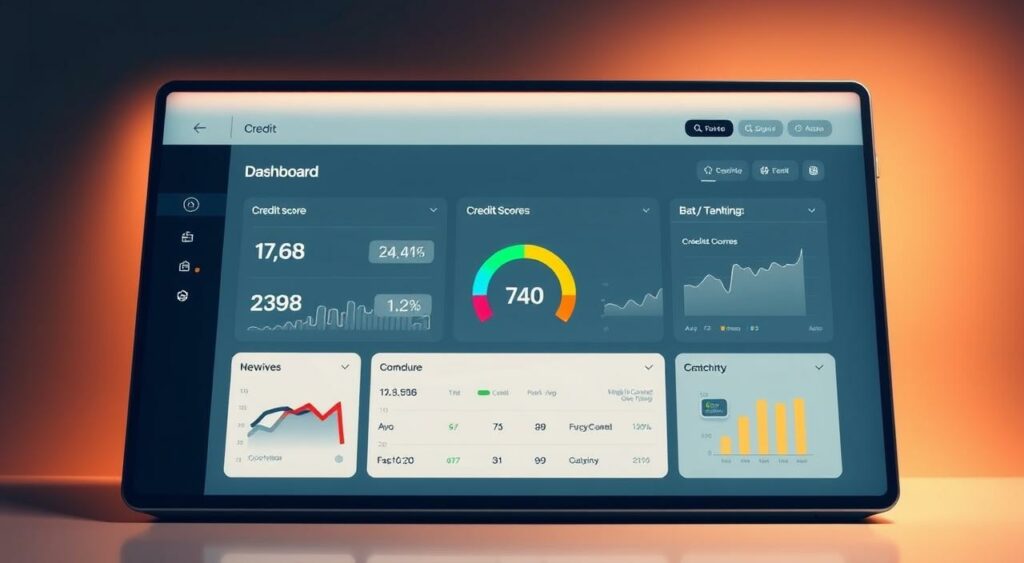
To ensure you’re on the right track, regularly check your credit reports. Monitoring your credit progress is crucial for achieving your financial goals and making adjustments as needed.
Free Credit Report Resources
You can obtain a free credit report from the three major credit reporting bureaus (Equifax, Experian, and TransUnion) once a year through AnnualCreditReport.com. This resource is invaluable for checking the accuracy of your credit information.
Credit Monitoring Services
Credit monitoring services provide ongoing surveillance of your credit reports, alerting you to changes, inquiries, or potential identity theft. Services like Credit Karma, Credit Sesame, or IdentityForce can be useful tools in maintaining your credit health.
What to Look for in Your Credit Reports
When reviewing your reports, pay special attention to personal information, account statuses, payment histories, and inquiries for accuracy. Here are key areas to focus on:
- Verify your personal information to prevent identity confusion.
- Ensure all listed accounts belong to you.
- Check payment histories for incorrectly reported late payments.
- Confirm closed accounts are reported as “closed by consumer.”
- Review hard inquiries to ensure you authorized them.
| Area to Check | Importance | Action Required |
|---|---|---|
| Personal Information | High | Verify accuracy |
| Account Statuses | High | Ensure accuracy and up-to-date status |
| Payment Histories | High | Check for late or missed payments |
| Inquiries | Medium | Verify authorization |
Conclusion: Maintaining Your Credit Success Beyond 90 Days
As you complete the 90-day credit building plan, it’s essential to maintain the momentum you’ve gained. Building a solid credit score is a marathon, not a sprint. It requires consistent effort and patience. You have laid a foundation that, with continued good habits, will lead to long-term credit success.
To keep your credit score on track, continue making on-time payments and managing your credit accounts wisely. The habits you’ve developed during this 90-day plan will serve you well throughout your financial life. Regularly monitoring your credit will help you catch and address issues quickly.
As your credit improves, you’ll have access to better credit products, lower interest rates, and increased financial flexibility. Remember, good credit is a valuable asset that requires ongoing attention. By maintaining your good credit habits, you’ll be able to build credit and keep credit in the long run, achieving a healthy credit score.
FAQ
How long does it take to see improvements in my credit score?
You can start seeing improvements in your credit score within a few months, typically between 30 to 90 days, by making on-time payments and keeping your credit utilization ratio low.
What is a good credit utilization ratio?
A good credit utilization ratio is generally considered to be below 30%. Keeping your credit card balances low compared to your credit limits can help improve your credit score.
Can becoming an authorized user on someone else’s credit card help my credit score?
Yes, becoming an authorized user on someone else’s credit card can help your credit score if the primary cardholder makes on-time payments and keeps their credit utilization low.
How often should I check my credit report?
You should check your credit report at least once a year to ensure it’s accurate and up-to-date. You can request a free credit report from the three major credit bureaus (Experian, TransUnion, and Equifax) once every 12 months.
What are some common mistakes that can hurt my credit score?
Common mistakes that can hurt your credit score include missing payments, keeping credit card balances too high, applying for too many credit cards in a short period, and not monitoring your credit report for errors.
How do I dispute errors on my credit report?
To dispute errors on your credit report, you’ll need to contact the credit bureau that issued the report and provide documentation to support your claim. The credit bureau will then investigate and correct any errors.
Can I improve my credit score by opening a new credit card?
Opening a new credit card can potentially help or hurt your credit score, depending on how you use it. If you make on-time payments and keep your credit utilization low, it can help. However, applying for too many credit cards in a short period can negatively affect your score.
What is a secured credit card, and how can it help me?
A secured credit card requires a security deposit, which becomes your credit limit. It can help you establish or rebuild credit if you make on-time payments and keep your credit utilization low.