What if creating professional-quality tutorials required less effort than brewing your morning coffee? Modern digital communication demands clarity, and shaky phone recordings or confusing explanations simply won’t cut it anymore.
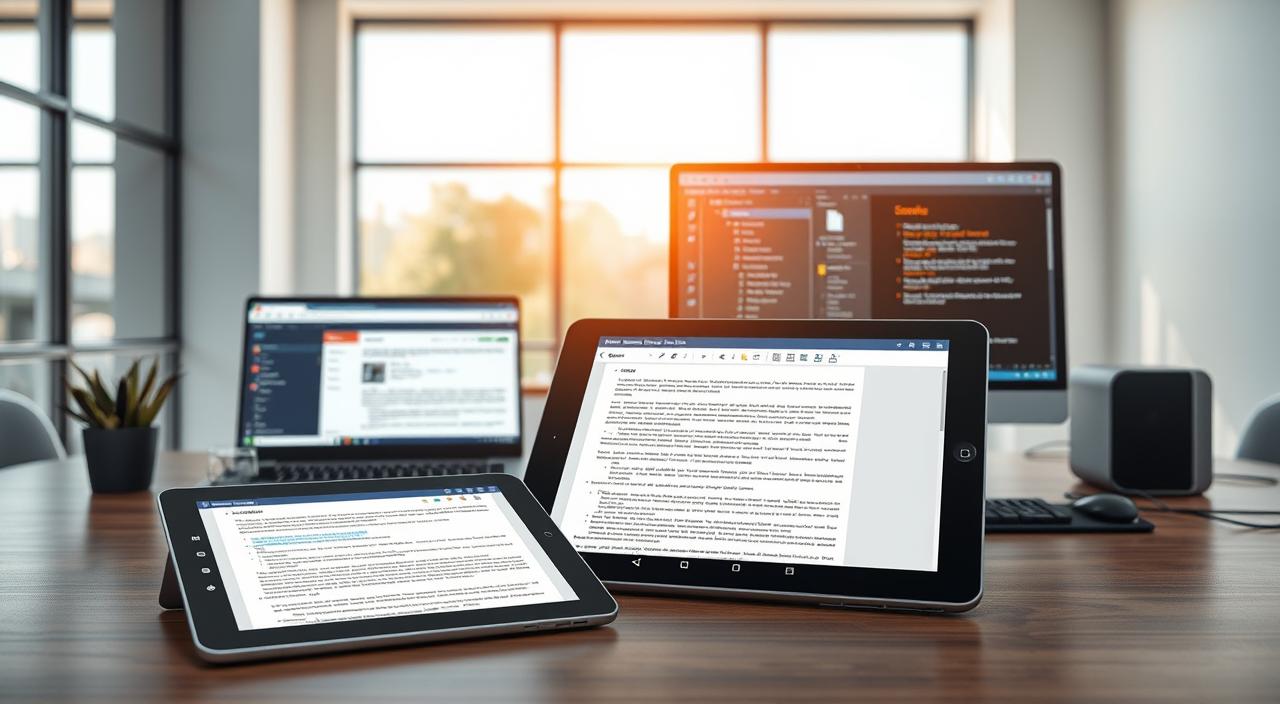
Today’s top solutions let you capture crystal-clear demonstrations while simultaneously recording your webcam. Imagine showing complex workflows with highlighted clicks, voice narration, and polished transitions – all without editing experience.
But here’s the catch: not all software delivers equal results. The difference between amateur and pro-level content often comes down to three hidden settings most users overlook. Choosing the right combination of features can slash your production time while boosting viewer engagement.
You’ll discover how to avoid common mistakes like muffled audio or blurry visuals. We’ll break down exactly which configurations matter for tutorials, presentations, and team collaborations. Plus, learn why some free options outperform paid platforms for specific use cases.
Ready to transform how you share knowledge? Let’s explore the smart shortcuts that make high-impact recordings effortless.
The Importance of Clean Screen Recordings in Today’s Digital Workflow
Imagine cutting meeting times in half while boosting your team’s understanding – that’s the power of crisp visual guides. With hybrid work environments here to stay, polished demonstrations have become non-negotiable for effective communication. Whether you’re onboarding staff or explaining features to clients, clarity determines how quickly people grasp complex ideas.
Low-quality visuals or garbled audio don’t just frustrate viewers – they erode trust in your expertise. A single pixelated diagram or muffled voiceover can leave audiences questioning your attention to detail. Conversely, professional-grade content builds authority and keeps attention locked on your message.
Your colleagues and clients expect seamless experiences. Investing in reliable recording software isn’t about vanity – it’s about respecting others’ time. Well-produced materials reduce follow-up questions by 43% according to recent collaboration studies, letting teams focus on results rather than clarification loops.
Mastering this skill transforms how you work. Instead of repeating instructions, you’ll share reusable video assets that scale knowledge across departments. These resources become searchable archives, saving hours typically lost to troubleshooting or retraining.
Screen Recorder Tools: What You Need to Know
Ever stared at a list of 50+ apps and wondered where to start? The key lies in matching features to your specific goals. Are you explaining a quick task to coworkers or building a polished course? Your purpose dictates which functions matter most.
Reliable programs share core traits: intuitive controls, stable performance, and crisp output. Look for solutions that integrate with your existing apps – seamless workflows save more time than fancy effects. A tool that struggles with 4K playback might work for casual use but fail for high-stakes projects.
Free versions often handle basic capture well, but check format compatibility. Can you export files your team actually uses? Advanced needs like multi-camera angles or live annotations typically require paid upgrades. One study found 68% of users switch platforms within six months when their initial pick lacks critical features.
Your device’s specs matter too. Older machines might choke on resource-heavy editors, while newer systems unlock 60fps streaming. Always test trial versions before committing – what works flawlessly for tech reviews might stutter on your setup.
Prioritize flexibility over trends. The “best” option isn’t universal – it’s the one that disappears into your process while delivering consistent results. Start simple, then expand capabilities as your skills grow.
Features to Look For in Screen Recording Software
How do you choose options that eliminate frustration while boosting your productivity? The right combination of technical capabilities and intuitive design separates time-saving heroes from clunky disappointments.
Recording Modes and Flexibility
Your projects demand adaptable capture settings. Look for solutions offering three essential modes: full desktop, application window, and custom region selection. This lets you focus attention precisely where it matters – whether demonstrating spreadsheet formulas or showcasing design software.
Advanced platforms merge multiple inputs smoothly. Picture-in-picture layouts combining facecam footage with your monitor display help humanize technical walkthroughs. Ensure your pick handles system sounds, microphone commentary, and external audio devices without sync issues.
Audio and Video Quality Considerations
Crisp visuals start with resolution choices matching your audience’s needs. While 4K shines for detailed tutorials, 1080p often balances clarity with manageable file sizes. Watch for compression artifacts that blur text during mouse movements.
Clear voiceovers make or break viewer engagement. Test background noise suppression features if you lack a studio setup. Some programs automatically adjust microphone levels, preventing awkward volume swings mid-presentation.
Prioritize platforms exporting to MP4 or MOV formats – these work everywhere. Watermark-free outputs maintain professionalism, while cloud upload shortcuts simplify sharing. Remember: the best screen capture tools feel invisible, letting your expertise take center stage.
Comparing Free and Paid Screen Recording Options
Choosing between free and paid solutions isn’t just about price tags—it’s about value that grows with your needs. Many creators assume premium platforms automatically deliver better results, but smart users know how to leverage both worlds effectively.
Identifying Cost Versus Value
Open-source platforms like OBS Studio prove you don’t need subscriptions for professional capabilities. These best free options handle 4K captures and live streaming, ideal for testing workflows before financial commitments. But watch for hidden costs: limited editing tools or watermarks might slow your progress.
Paid subscriptions shine when consistency matters. Cloud backups ensure you never lose files, while collaboration features let teams annotate clips in real time. For client projects, removing branding from exports often justifies the investment alone.
Ask yourself: Does this tool solve tomorrow’s problems? Free versions work for one-off tasks, but scaling content production usually requires advanced scheduling or multi-track editing. Trial periods help gauge if premium features actually boost your efficiency.
Start with no-cost software to build confidence. Upgrade only when specific needs emerge—like batch processing or custom hotkeys. This approach keeps budgets lean while ensuring you pay for exactly what improves your results.
Product Roundup: In-Depth Reviews of Leading Options
Not all screen recording solutions are created equal—here’s how to pick your champion. Whether you’re crafting detailed courses or sharing quick team updates, each platform shines in specific scenarios.
iSpring Suite dominates eLearning projects with interactive quizzes and PowerPoint integration. Prefer live streaming? OBS Studio handles gaming marathons and multi-camera setups without subscription fees. Mac users love CleanShot X for its lightning-fast captures and intuitive markup tools.
Camtasia remains the gold standard for polished edits—think animated callouts and royalty-free music. Need simplicity? Loom’s one-click sharing works wonders for remote teams. Budget-conscious creators lean toward ScreenPal for casual projects or Free Cam for watermark-free demos.
Your device matters too. EaseUS simplifies webinar captures on Windows, while Apowersoft’s browser-based tool skips installations entirely. Remember: the best screen recorder feels invisible during use but delivers files that impress collaborators.
Prioritize tools matching your technical comfort. Advanced features mean nothing if you’re wasting hours on tutorials. Start with free trials to test performance before committing—your perfect match might surprise you.
Exploring OBS Studio for Streaming and Recording
Unlocking professional-grade video production doesn’t require a hefty budget. OBS Studio delivers broadcast-quality results while remaining completely free – a rare combination that makes it the first choice for educators and live streamers alike.
Setup and Customization Tips
Your initial setup might feel like learning a new language, but OBS Studio’s flexibility becomes its greatest strength. Start by selecting your capture mode – full display for tutorials or game capture for playthroughs. Layer webcam footage over your primary content using drag-and-drop scene builders.
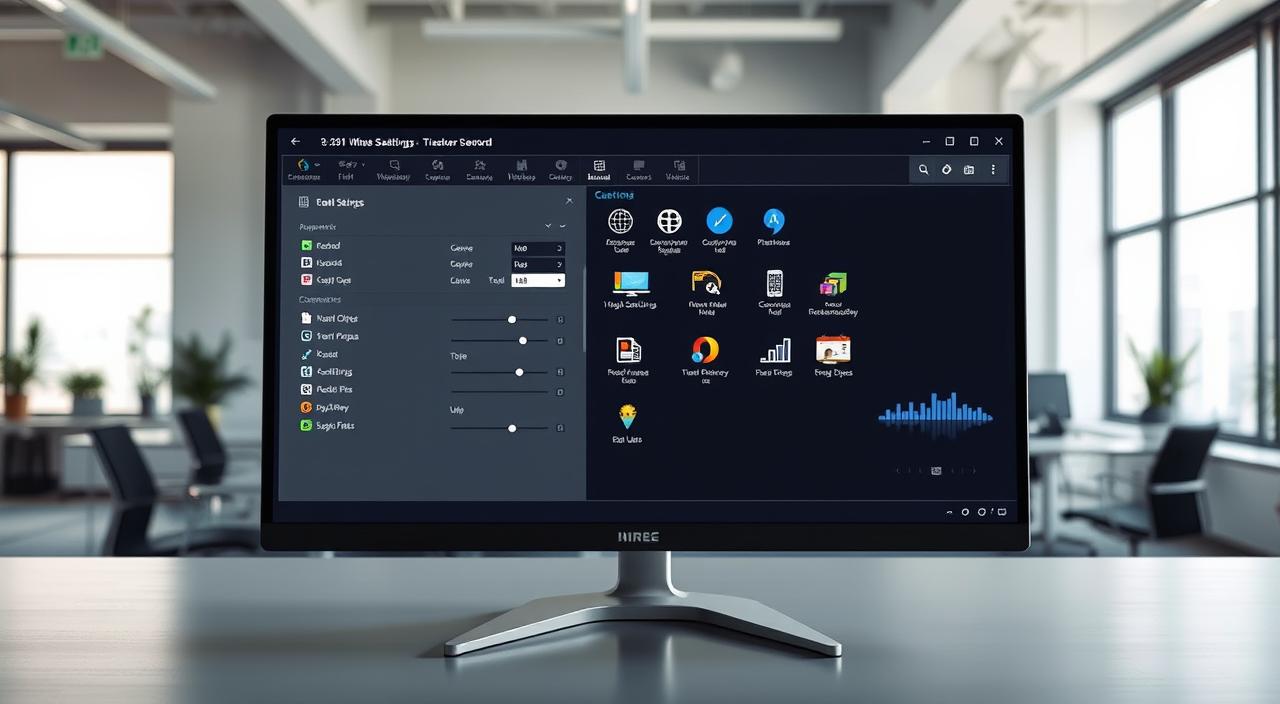
Don’t overlook audio filters. The built-in noise suppression turns any room into a viable recording space. Create hotkeys for frequent actions like starting/stopping captures – this small tweak saves countless clicks during long sessions.
Maximizing Performance
OBS Studio runs smoothly on most devices, but these tweaks ensure buttery results. Match your output resolution to your monitor’s specs to prevent lag. Enable hardware encoding if available – this offloads processing from your CPU to dedicated graphics chips.
For multi-hour streams, use the MKV format. Unlike MP4, it preserves files if recording stops unexpectedly. The software’s color correction tools let you fix lighting issues live, reducing post-production headaches.
Remember: this powerhouse supports 4K exports without watermarks. Whether you’re producing training videos or streaming concerts, OBS Studio adapts to your creative vision while keeping costs at zero.
Leveraging CleanShot X for Mac Users
Mac enthusiasts finally have a solution that feels like it was baked into macOS itself. CleanShot X delivers instant capture capabilities with the polish Apple fans expect. Its intuitive design eliminates cluttered menus, letting you start documenting workflows in two clicks or less.
Your projects gain precision through four capture modes. Need to show a scrolling webpage? The auto-scroll feature stitches long content seamlessly. Region-specific grabs let you highlight exact interface elements without cropping hassles. Export options like MP4 and MOV ensure compatibility with any team’s workflow.
Built-in markup tools transform basic clips into professional guides. Add arrows, text boxes, or blur sensitive data mid-recording – no separate editing software required. The $29 one-time fee covers most individual needs, while teams benefit from cloud storage and instant sharing via the $8/month Pro tier.
Lightweight performance means you’ll forget it’s running. Unlike resource-heavy alternatives, CleanShot X maintains system speed during 4K captures. Automatic backups prevent lost work, and quick-access menus keep your focus on creating – not configuring.
Enhancing Content with Camtasia’s Robust
Transform raw footage into studio-grade tutorials faster than drafting an email. Camtasia’s all-in-one editing suite removes the headache of juggling multiple apps. Drag-and-drop annotations, smooth transitions, and cursor effects turn basic captures into engaging stories.
Pre-built assets like music tracks and animated intros save hours of design work. The software’s smart zoom feature automatically follows your mouse clicks, keeping viewers focused on key actions. Built-in audio cleanup tools erase background hums – perfect for home office recordings.
Export presets ensure your files play nicely with YouTube, LinkedIn, or internal training portals. Batch processing lets you polish multiple clips simultaneously, while team libraries maintain brand consistency across departments.
With Camtasia, your expertise shines through polished visuals – no film degree required. It’s the final piece that elevates good explanations into unforgettable lessons.