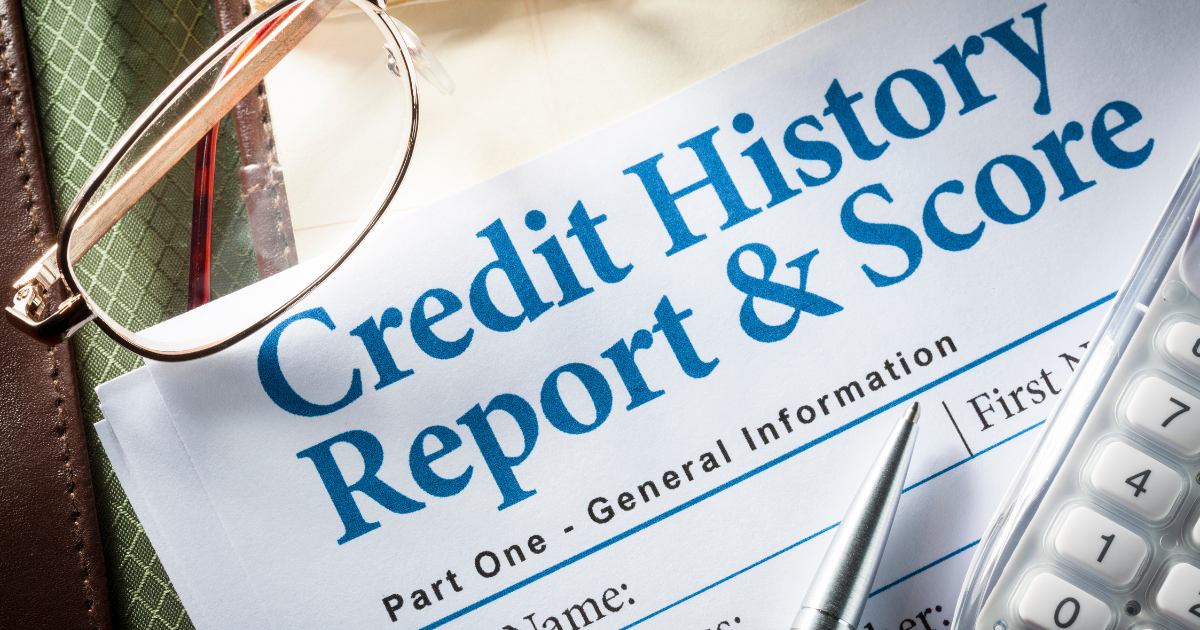
Did you know that 1 in 5 people have errors on their credit reports? These mistakes can significantly impact your financial health, affecting your ability to secure loans or credit cards. Maintaining an accurate credit report is crucial, and disputing errors is a vital step in this process.
Under the Fair Credit Reporting Act (FCRA), you have the right to dispute inaccurate information on your report. By understanding the dispute process, you can correct errors and improve your credit score. This guide will walk you through the steps to dispute credit report errors effectively, providing you with professional templates to increase your chances of success.
Understanding Credit Reports and Why Errors Matter
Your credit report is a crucial document that affects your financial health, and understanding it is key to managing your credit effectively. It’s essential to know what information is included in your credit report and how errors can impact your financial well-being.
What Information Appears on Your Credit Report
Your credit report contains a detailed record of your credit history, including information about your accounts, payment history, and credit inquiries. This information is used by lenders to determine your creditworthiness. The report typically includes personal identifying information, account details, and public records such as bankruptcies.
Common Types of Credit Report Errors
Credit report errors can take many forms. Some common types include identity errors, account status errors, balance errors, data management errors, and mixed credit files. For instance, identity errors might involve incorrect personal information or accounts that don’t belong to you. Account status errors could show closed accounts as open or incorrectly label accounts as delinquent.
| Error Type | Description | Example |
|---|---|---|
| Identity Errors | Incorrect personal information or accounts not belonging to you | Accounts opened with incorrect Social Security number |
| Account Status Errors | Closed accounts shown as open or delinquent | Closed credit card account listed as open |
| Balance Errors | Incorrect current balances or credit limits | Credit limit listed incorrectly for a credit card |
Federal law allows you to dispute inaccurate information on your credit report at no cost. You can submit your dispute to the business that provided the information to the credit reporting company or directly to the credit reporting company.
How to Spot Errors on Your Credit Report
Your credit report is a critical financial document that requires regular checks for errors. To start, you need to obtain your free credit reports from the three major credit bureaus.
Obtaining Your Free Credit Reports
To get your free credit reports, you can visit AnnualCreditReport.com or contact the credit bureaus directly. You can request reports from all three bureaus at once or stagger them throughout the year.
What to Look for When Reviewing Your Reports
When reviewing your credit reports, verify that all personal information is accurate, including your full name, current and previous addresses, Social Security number, and employment information.
- Check that all accounts listed belong to you and that closed accounts are properly reported as closed.
- Review payment histories for each account to ensure they accurately reflect your payment record.
- Examine account balances and credit limits to confirm they match your most recent statements.
- Look for duplicate accounts, outdated information, and unfamiliar inquiries.
By carefully reviewing your credit reports, you can identify and dispute any errors, helping to maintain a healthy credit score.
Preparing for the Credit Report Dispute Process
The key to a successful credit report dispute lies in thorough preparation and organization. Before you begin the dispute process, it’s crucial to gather all necessary information and documentation.
Gathering Necessary Documentation
To dispute errors on your credit report effectively, you need to list each inaccurate item, including the creditor name, account number, and the specific reason for the dispute. You should also gather supporting documents to substantiate your claims. This may include receipts, statements, or other relevant records.
Organizing Your Evidence
Organizing your evidence is critical for a smooth dispute process. Consider creating a dispute folder with separate sections for each credit bureau and disputed item.
Develop a checklist for each disputed item, including the nature of the error, supporting documentation, and the desired correction. Make multiple copies of your supporting documents, keeping originals safe. You may also find it helpful to create a timeline of when each error appeared and any previous attempts to resolve it.
Using a spreadsheet to track the status of multiple disputes can also be beneficial, allowing you to monitor confirmation numbers, response deadlines, and follow-up actions efficiently.
Filing a Credit Report Dispute: Step-by-Step Guide
To ensure the accuracy of your credit information, it’s essential to know how to file a dispute effectively. You have two primary options: disputing directly with the credit bureaus or with the information provider.
Disputing Directly with Credit Bureaus
When disputing with credit bureaus, you can choose from multiple methods to submit your dispute.
Online Dispute Process
The online dispute process is typically the quickest method, allowing you to fill out a form on the credit bureau’s website.
Mail-in Dispute Process
If you prefer a more traditional approach, you can mail in your dispute with supporting documentation.
Phone Dispute Process
Some credit bureaus also allow you to dispute errors over the phone, providing a more direct and immediate way to address your concerns.
Disputing with the Information Provider
Alternatively, you can dispute directly with the information provider (creditor, lender, or collection agency) that reported the incorrect information.
- Start by contacting their customer service department to understand their specific dispute process and required documentation.
- Send a formal dispute letter detailing the error, including your account number and the specific information that needs correction.
- Include copies of supporting documentation, such as payment records or account statements, that prove the information is incorrect.
- If the information provider confirms the error, they are legally required to notify all credit bureaus they report to and request correction of the information.
Essential Credit Report Dispute Templates
Having a solid template is essential for a successful credit report dispute. When you dispute errors on your credit report, using the right template can help you clearly communicate the issues and the corrections needed.
There are several types of dispute templates you can use, depending on the nature of the error. These include a basic dispute letter, an identity theft dispute template, and an incorrect account information template.
Basic Dispute Letter Template
A basic dispute letter template is used to dispute general errors on your credit report. It should include your personal details, a description of the error, and the correction you are seeking.
Identity Theft Dispute Template
If you’re a victim of identity theft, this template is crucial. It should detail the accounts or information that is not yours and provide evidence to support your claim.
Incorrect Account Information Template
For disputes related to incorrect account information, this template should specifically identify the account in question, explain what information is incorrect, and provide the correct details.
| Template Type | Description | Key Elements |
|---|---|---|
| Basic Dispute Letter | General errors on credit report | Personal details, error description, correction |
| Identity Theft Dispute | Disputing fraudulent accounts | Details of fraudulent accounts, supporting evidence |
| Incorrect Account Information | Correcting account details | Account details, incorrect information, correct information |
Using these templates can help streamline the dispute process, ensuring that you provide all necessary information to the credit bureaus or creditors.
What Happens After You File a Credit Report Dispute
Once you’ve submitted a dispute, credit bureaus spring into action to investigate your claim. This process is crucial in determining the accuracy of the information on your credit report.
The Investigation Timeline
The investigation timeline is governed by specific regulations that require credit bureaus to act within a certain timeframe. Typically, credit bureaus have 30 to 45 days to investigate your dispute and respond with their findings.
How Credit Bureaus Process Disputes
Credit bureaus utilize an automated system called e-OSCAR to process most disputes. When you file a dispute, it is translated into a standardized code that summarizes your claim for the creditor to review. The bureau then forwards this information to the creditor or information provider, who must investigate and verify the accuracy of their reporting. If the creditor confirms an error or fails to respond within the required timeframe, the bureau must correct or remove the disputed information. For complex disputes, human investigators may be assigned to review your documentation more thoroughly.
Tracking Your Dispute Status and Following Up
Filing a dispute is just the first step; tracking its status is vital for a successful outcome. After you’ve submitted a dispute to the credit bureau, it’s essential to monitor its progress to ensure it’s being processed efficiently.
How to Check Your Dispute Status
You can check the status of your dispute by contacting the credit bureau directly via phone or through their online portal. Make sure to have your dispute confirmation number handy to facilitate the process. The credit bureau is required to investigate and respond to your dispute within a reasonable timeframe, typically 30 days.

When and How to Follow Up
If you haven’t received a response within 30 days, follow up immediately with the credit bureau. Reference your original dispute date and confirmation number, and cite the Fair Credit Reporting Act’s requirement for timely investigation. Consider escalating to a supervisor if necessary, and keep detailed records of all communications.
| Follow-Up Action | Timeline | Method |
|---|---|---|
| Initial Follow-Up | 30 days | Phone/ Certified Mail |
| Escalation | As needed | Supervisor |
What to Do If Your Credit Report Dispute Is Rejected
If your dispute is rejected, don’t give up – there are several paths you can take to resolve the issue. Understanding the reasons behind the rejection and knowing your next steps is crucial.
Understanding Rejection Reasons
When a credit report dispute is rejected, the credit bureau will typically provide a reason for the decision. This could be due to insufficient evidence, incorrect submission, or the information being verified by the original creditor. It’s essential to review the rejection notice carefully to understand the specific reason in your case.
Options for Further Action
If your dispute is rejected, you have several options to consider:
- File a direct dispute with the original creditor or information provider, as they may be more willing to correct their records than the credit bureau.
- Submit a complaint to the Consumer Financial Protection Bureau (CFPB), which can mediate between you and the credit bureau or creditor to resolve the dispute.
- Add a 100-word consumer statement to your credit report explaining the disputed information from your perspective for future creditors to consider.
- Contact your state Attorney General’s office or consumer protection agency, as they may offer additional assistance with credit reporting issues.
- In cases of significant financial harm or persistent errors, consult with a consumer rights attorney who specializes in Fair Credit Reporting Act violations.
| Action | Description | Potential Outcome |
|---|---|---|
| Dispute with Original Creditor | Contact the creditor directly to dispute the information. | Correction of records by the creditor. |
| Submit Complaint to CFPB | File a complaint with the Consumer Financial Protection Bureau. | Mediation between you and the credit bureau or creditor. |
| Add Consumer Statement | Add a statement to your credit report explaining the dispute. | Future creditors consider your perspective. |
By understanding the reasons for the rejection and exploring these options, you can take further action to resolve the dispute and potentially improve your credit report.
Maintaining Your Credit Health After Disputes
Successfully disputing credit report errors is just the first step in maintaining good credit health. To ensure your credit remains healthy, it’s crucial to be proactive. You can start by implementing a regular credit monitoring routine to catch any new errors quickly and prevent the recurrence of old issues.
Consider utilizing free credit monitoring services offered by financial institutions or dedicated credit monitoring services for more comprehensive protection. Developing good credit habits, such as making on-time payments, keeping credit card balances low, and limiting new credit applications, will also help maintain a healthy credit profile.
- Set calendar reminders to check your credit reports from all three bureaus at least once a year through AnnualCreditReport.com.
- Consider placing fraud alerts or credit freezes on your reports if you’ve experienced identity theft or are concerned about potential fraud affecting your credit history.
- Tools like CreditWise by Capital One can help you monitor your credit score and alert you to possible fraud attempts without impacting your score.