Are you tired of juggling multiple debt payments every month? You’re not alone. Millions of Americans struggle with high-interest credit card debt and multiple payments, making it challenging to manage their finances.
A debt consolidation loan can simplify your finances by combining multiple higher-rate balances into a single loan with one regular monthly payment. But will it actually save you money in the long run? Let’s explore how these loans work mathematically and whether they truly make a difference in your financial situation.
By understanding the pros and cons of debt consolidation, you can make an informed decision about whether a personal loan is the right choice for your financial future.
What Is a Debt Consolidation Loan?
Consolidating your debts into a single loan can be a smart financial move. A debt consolidation loan is designed to combine multiple debts into one loan with a single monthly payment.
Key Benefits:
- A debt consolidation loan is a financial product that simplifies your finances by replacing multiple payment dates, interest rates, and terms with a single loan structure.
- These loans typically offer fixed interest rates and set repayment terms, providing predictability in your monthly budget.
- The primary goal of debt consolidation is to reduce your overall interest costs and streamline your debt management.
How Debt Consolidation Works
Debt consolidation works by transferring the balance of multiple high-interest debts to a single loan with ideally better terms. You can consolidate debts such as credit cards, medical bills, or other personal loans through various financial institutions, including banks, credit unions, and online lenders.
The Mathematical Benefits of Debt Consolidation
When considering debt consolidation, understanding the mathematical benefits can be a game-changer for your financial health. A debt consolidation loan can potentially save you money by replacing higher-rate debts with a single, lower-rate loan.
Interest Rate Savings
The primary mathematical benefit of debt consolidation comes from securing a lower interest rate than what you’re currently paying across multiple debts. For instance, consolidating high-interest debts, such as credit cards with 18-25% APR, into a personal loan with a lower fixed rate (potentially 7-15% APR) can lead to substantial interest savings.
- Even a few percentage points difference in interest rate can save thousands of dollars over the life of the loan.
- The mathematical advantage compounds over time, providing significant savings.
Single Payment Simplification
Consolidating your debt into a single loan simplifies your payments, reducing the risk of missed payments and late fees. This creates additional mathematical savings and makes budgeting more precise with fixed monthly payments.
- A single payment schedule ensures that each payment reduces your principal balance.
- Calculating the total interest paid before and after consolidation provides a clear picture of potential savings.
When a Debt Consolidation Loan Makes Financial Sense
A debt consolidation loan can be a strategic financial move when used appropriately. It involves combining multiple debts into one loan with a lower interest rate and a single monthly payment.
High-Interest Credit Card Debt
If you’re struggling with high-interest credit card debt, consolidating it into a personal loan can save you money on interest and help you pay off your debt faster. This is particularly beneficial when you can secure a loan with a significantly lower interest rate than your current average rate.
| Current Debt | Interest Rate | Monthly Payment |
|---|---|---|
| Credit Card A | 20% | $200 |
| Credit Card B | 22% | $150 |
| Consolidation Loan | 12% | $300 |
Multiple Payment Juggling
Juggling multiple payments can be stressful and may lead to missed payments. Consolidating your debt into one loan simplifies your financial life by reducing the number of payments you need to make each month. This can be particularly helpful if you have multiple debts with variable interest rates, making it hard to budget.
By consolidating your debt, you can create a clear plan to become debt-free and potentially save money on interest. It’s essential to assess your financial situation and determine if a debt consolidation loan is the right choice for you.
Calculating Your Potential Savings
Calculating your potential savings from a debt consolidation loan involves gathering information about your current debts, including balances, interest rates, and minimum payments. To start, add up the total amount you owe across all debts to determine the consolidation loan amount you’ll need.
Sample Debt Consolidation Calculation
For instance, if you have $20,000 in total debt at an average 18% interest rate, consolidating to a 10% loan could save you thousands in interest. Consider the loan term carefully, as a longer term may lower your monthly payment but could result in paying more interest over time.
To get an accurate picture, calculate your current weighted average interest rate and compare it to the rate you qualify for on a debt consolidation loan. Factor in any origination fees or closing costs associated with the new loan, as these can impact your overall savings.
Types of Debt Consolidation Loans
When considering debt consolidation, understanding the types of loans available is crucial. Debt consolidation loans are not one-size-fits-all solutions; they come in various forms designed to cater to different financial situations.
Debt consolidation loans can be broadly categorized based on their characteristics and the benefits they offer. The primary types include secured and unsecured loans, as well as fixed-rate and variable-rate options.
Secured vs. Unsecured Loans
Secured and unsecured loans represent two primary categories of debt consolidation loans. Secured loans require collateral, such as your home or car, which can be seized by the lender if you fail to repay the loan. In contrast, unsecured loans do not require collateral but may have higher interest rates or stricter qualification requirements.
- Secured debt consolidation loans offer lower interest rates due to reduced lender risk.
- Unsecured debt consolidation loans don’t require collateral but may have higher rates.
Fixed vs. Variable Rate Options
Debt consolidation loans also vary in their interest rate structures. Fixed-rate loans maintain the same interest rate throughout the loan term, providing predictable payments. Variable-rate loans, on the other hand, can change over time based on market indexes, potentially affecting your monthly payments.
- Fixed-rate consolidation loans offer predictable payments.
- Variable-rate options may start with lower rates but can fluctuate.
Debt Consolidation Loan Terms and Features
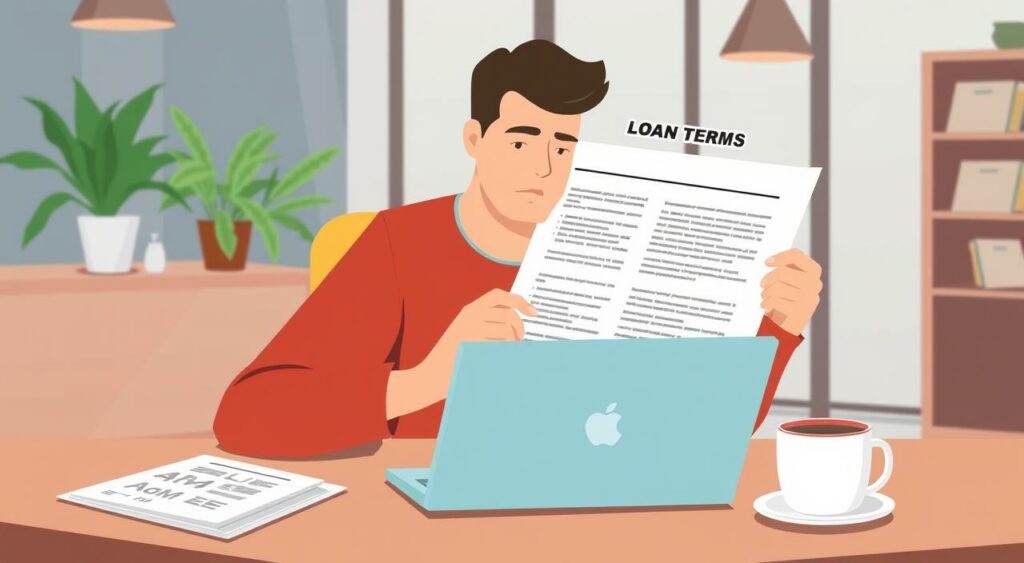
When considering a debt consolidation loan, understanding the terms and features is crucial for making an informed decision. The right loan terms can significantly impact your financial situation, making it easier to manage your debt.
Loan Amounts and Limits
Debt consolidation loan amounts typically range from $1,000 to $50,000, though some lenders offer up to $100,000 or more for qualified borrowers. Your approved loan amount will depend on your credit score, income, existing debt obligations, and the lender’s specific criteria.
Repayment Periods
Repayment periods for debt consolidation loans generally range from 12 to 84 months (1-7 years), with some lenders offering terms up to 15 years for larger loan amounts. Shorter loan terms typically come with lower interest rates but higher monthly payments.
Fees and Penalties
Common fees to watch for include origination fees (typically 1-8% of the loan amount), application fees, prepayment penalties, and late payment fees. Many online lenders now offer no-fee debt consolidation loans with zero origination fees or prepayment penalties.
Potential Drawbacks of Debt Consolidation
It’s essential to weigh the pros and cons of debt consolidation loans before making a decision. While consolidating your debt can simplify your finances, there are potential drawbacks to consider.
When the Math Doesn’t Add Up
Debt consolidation isn’t always financially advantageous, particularly when the new loan’s interest rate isn’t significantly lower than your current rates. You should be cautious of consolidation loans with high origination fees or closing costs.
- Longer repayment terms might lower your monthly payment but could result in paying more total interest over time.
- Some consolidation loans come with prepayment penalties or variable rates that could increase over time, negating potential savings.
Impact on Your Credit Score
Your credit score may be affected by debt consolidation. Applying for a consolidation loan can cause a temporary decrease due to the hard credit inquiry and opening a new credit account. Be mindful that closing credit card accounts after consolidation might reduce your credit utilization ratio and credit history length.
Alternatives to Debt Consolidation Loans

Exploring alternatives to debt consolidation loans can provide a more tailored solution to your financial needs. If you’re looking for other ways to manage your debt, several options are available.
Balance Transfer Credit Cards
Balance transfer credit cards offer promotional 0% APR periods, typically lasting 12-21 months, which can temporarily eliminate interest on transferred debt. Although they usually charge a transfer fee of 3-5%, these cards are ideal for those who can pay off the debt during the promotional period and have good to excellent credit.
Home Equity Loans
Home equity loans and home equity lines of credit (HELOCs) use your home’s equity as collateral, typically offering the lowest interest rates for debt consolidation. However, converting unsecured debt to secured debt puts your home at risk if you can’t make payments.
Debt Management Plans
Debt management plans through nonprofit credit counseling agencies can help negotiate lower interest rates and consolidated monthly payments without taking out a new loan. These agencies charge modest setup and maintenance fees but provide valuable budgeting education and support.
Making the Right Decision for Your Financial Future
With the right approach, debt consolidation can be a powerful tool for achieving financial stability and peace of mind. To make the most of it, you should assess your financial situation thoroughly, considering all debts, income, expenses, and credit score. Compare multiple loan offers to secure the best possible interest rate and terms for your specific situation.
It’s also essential to create a realistic budget that accommodates your new loan payment and prevents you from accumulating additional debt. By doing so, you’ll be on track to achieving your long-term financial goals and making progress toward a more rewarding future.
You can review your rate and monthly payment before you apply for a debt consolidation loan, and it’s quick and easy, without affecting your credit score.