You might be surprised to learn that government auctions offer a vast array of assets at significantly reduced prices.
These auctions, managed by federal agencies, provide an opportunity for the public to purchase surplus, seized, or forfeited property, including vehicles and office equipment, often at prices well below retail value.
By understanding how these auctions work, you can gain a significant advantage when looking to purchase quality items at reduced prices. The General Services Administration serves as the primary platform for these auctions, facilitating competitive bidding processes.
This comprehensive guide will walk you through everything you need to know, from registration to successful bidding strategies, helping you maximize your success at these auctions.
Understanding GSA Auctions
GSA auctions provide a transparent and competitive bidding process for acquiring government assets. You can find a wide range of surplus property, from vehicles to real estate, at competitive prices.
Types of Government Assets Available
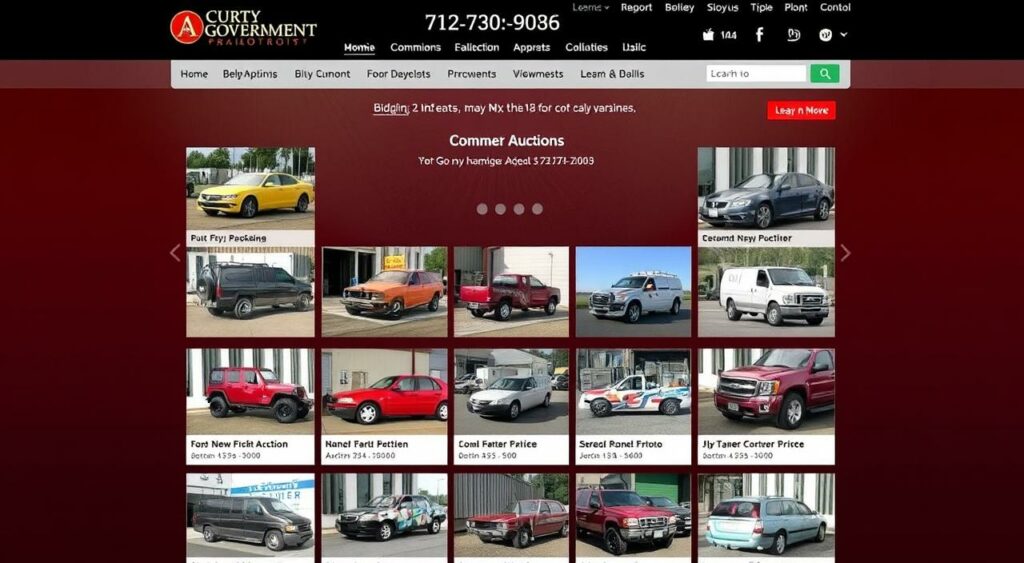
The GSA auctions platform offers various government assets, including vehicles, real estate, and equipment, which are surplus or no longer needed by government agencies.
How Government Auctions Work
GSA auctions operate on a competitive bidding system. Here are the key aspects:
- Government auctions operate on a competitive bidding system where the highest bidder wins the item when the auction closes.
- The bidding process begins with a minimum starting bid set by the government agency selling the asset.
- Most GSA auctions run for 7-14 days, giving potential buyers time to research items and develop bidding strategies.
- All bidders must register with the GSA Auctions platform and provide valid identification before placing bids.
- The system allows for proxy bidding, where you can set your maximum bid and the system will automatically increase your bid incrementally as needed.
- Payment terms typically require full payment within 2-5 business days after winning an auction, with specific deadlines clearly stated in the auction listing.
- Unlike some commercial auctions, GSA auctions generally don’t charge buyer’s premiums, meaning the final bid price is what you pay (plus any applicable taxes).
Getting Started with GSA Auctions
Registering for GSA auctions is the initial step towards securing great deals on government assets. To participate in these auctions, you need to create a bidder account, which is a straightforward process.
Creating Your Bidder Account
You can create your bidder account by registering on the GSA Auctions website. This involves providing some basic information and verifying your identity.
Navigating the Auction Platform
Once registered, you’ll need to familiarize yourself with the auction platform. The platform is designed to be user-friendly, allowing you to easily search for and bid on items.
Understanding Inspection Reports
Inspection reports are crucial when bidding on assets. Here are key points to consider:
- Inspection reports provide critical information about an item’s condition, functionality, and any known defects or issues.
- These reports typically include detailed descriptions, multiple photographs, and sometimes video walkthroughs of the item, giving you a comprehensive view of its condition.
- Understanding the government’s condition codes (from new/unused to salvage/scrap) helps interpret the actual state of the item.
- When available, maintenance records offer insights into an item’s history and potential future performance over its year of service.
- Some high-value items may include third-party inspection certificates or specialized testing results, sometimes presented in a video format.
- Learning to read between the lines of inspection reports helps identify both potential problems and exceptional value opportunities.
- For vehicles and mechanical equipment, pay special attention to operational status, known mechanical issues, and parts that may be missing.
Strategies for Securing Great Deals
By employing the right strategies, you can significantly increase your chances of securing great deals at government auctions. To do this effectively, you need to understand the importance of research, budgeting, and timing in the bidding process.
Researching Before You Bid
Before placing a bid, it’s crucial to research the items you’re interested in. This includes understanding the market value of the assets and inspecting the condition of the items if possible. Thorough research helps you make informed decisions and avoid overpaying.
Setting Your Budget and Limits
Setting a budget and sticking to it is vital in government auctions. You should determine the maximum amount you’re willing to pay for an item and avoid getting caught up in the excitement of bidding. Discipline is key to avoiding financial overcommitment.
Timing Your Bids Effectively
The timing of your bids can significantly impact your success. Many experienced bidders avoid bidding early to prevent drawing attention to items and driving up prices. Instead, they place their bids in the final hours or minutes of the auction. Here are some strategies to consider:
- Monitor bidding patterns across multiple auctions to identify optimal times when fewer bidders are active.
- Set calendar reminders for auction closings to ensure you don’t miss critical bidding windows.
- Understand time zone differences when bidding on items from distant locations.
- For high-demand items, be prepared to place your maximum bid just seconds before the auction closes.
By combining these strategies, you can enhance your chances of securing great deals at government auctions. Watching a video on successful bidding strategies can also provide valuable insights.
Your Path to Government Auction Success
Achieving success in government auctions requires a combination of knowledge, strategy, and patience. To secure great deals, you need to develop expertise in specific categories, allowing you to recognize exceptional values. Building a network with other buyers can also provide valuable insights and partnership opportunities.
Maintaining detailed records of your purchases helps refine your bidding strategy over time. Understanding seasonal patterns of government surplus availability can also help you time your purchases for optimal selection and pricing. With consistent application of sound strategies and continuous learning, government auctions can become a reliable source of value for your needs.