Did you know that the average American spends around $8,400 annually on car expenses? With such a significant financial burden, deciding whether to lease or buy a vehicle can be a daunting task. As you navigate the complex world of automotive financing in 2025, understanding your options is crucial.
Making an informed decision between leasing and buying a car ultimately comes down to your personal needs and preferences. If you prioritize lower monthly payments or enjoy driving newer car models, leasing might be the more appealing option. On the other hand, if you drive extensively or aim to eventually own your vehicle outright, buying could be your better choice.
In this article, we’ll explore the critical differences between leasing and buying a vehicle in 2025, providing you with a comprehensive framework to make a decision that suits your financial situation and lifestyle needs.
Understanding the Basics: Leasing vs. Buying Explained
As you weigh your options for acquiring a new car, understanding the basics of leasing versus buying is essential. The decision between these two options depends on various factors, including your financial situation, driving habits, and personal preferences.
What is Leasing?
Leasing a car involves paying monthly to drive a vehicle for a predetermined period, typically 2-3 years, and a specified number of miles. At the end of the lease, you return the car to the leasing company. Essentially, you’re paying for the vehicle’s depreciation during the lease term.
What is Buying?
Buying a car through financing involves taking out a loan to purchase the vehicle outright. Your monthly payments go toward the principal and interest on the loan. Once the loan is paid off, you own the car and can sell or trade it in.
Key Differences at a Glance
The primary differences between leasing and buying lie in ownership rights, payment structures, and end-of-term considerations. Leasing typically results in lower monthly payments since you’re only paying for depreciation. Lease agreements also include terms about mileage limits and wear and tear, which don’t apply to purchased vehicles.
Financial Considerations in the Lease vs Buy Decision
As you weigh the pros and cons of leasing versus buying, financial considerations should be at the forefront of your decision-making process. The financial implications of your choice can significantly impact your monthly expenses and long-term financial health.
Monthly Payment Comparison
One of the primary financial factors to consider is the monthly payment. According to Experian’s State of the Automotive Finance Market report for the second quarter of 2025, the average lease payment for a new car is $612, compared to the average monthly loan payment for a new car at $749. Leasing can be less expensive than a new-vehicle loan in the short term due to lower monthly payments. This is because your payment is based only on the car’s depreciation during the lease term, plus taxes and finance charges.
Down Payment Requirements
Another financial consideration is the down payment requirement. Leasing often requires less money upfront compared to the recommended 10-20% down payment when purchasing a vehicle. This can be a significant factor for those who may not have a substantial amount of money available for a down payment.
Long-Term Cost Analysis
When considering the total cost of ownership, it’s essential to look beyond monthly payments. A comprehensive analysis should include interest charges, taxes, and fees over time. Building equity through car ownership can offset the higher monthly payments of buying, while leasing means perpetually making payments without building any asset value.
| Financial Aspect | Leasing | Buying |
|---|---|---|
| Average Monthly Payment | $612 | $749 |
| Down Payment | Lower | 10-20% of vehicle’s price |
| Building Equity | No | Yes |
Ownership and Equity: Building Value vs. Flexibility
Building equity and maintaining flexibility are key considerations in the lease vs. buy decision. As you navigate this choice, understanding how each option impacts your financial situation and ownership experience is essential.
Building Equity Through Buying
When you buy a vehicle, you have the opportunity to build equity over time as you pay down your loan. Eventually, this leads to full ownership, providing you with an asset that you can sell or trade. Owning a vehicle outright can be advantageous, especially if you’re planning to make another significant purchase or need extra cash during financial hardship.
The Freedom of Temporary Ownership
On the other hand, leasing offers the flexibility to drive a new car every few years without the long-term commitment of ownership. This can be particularly appealing if you enjoy having the latest models or prefer not to deal with the potential maintenance costs associated with older vehicles. Leasing allows you to return the vehicle at the end of the lease term or opt to purchase it, providing flexibility in your automotive choices.
End-of-Term Options
At the end of a lease, you have the option to return the leased vehicle or purchase it at a predetermined price. In contrast, once you’ve paid off a vehicle loan, you own the vehicle outright and can choose to sell it, trade it in, or continue driving it without any monthly payments. This table summarizes the key differences:
| Option | Leasing | Buying |
|---|---|---|
| End-of-Term | Return or purchase the vehicle | Own the vehicle outright |
| Equity Building | No equity built | Builds equity over time |
| Flexibility | Drive a new car every few years | Sell, trade, or continue driving |
As illustrated, the decision between leasing and buying hinges on your priorities regarding ownership, equity, and flexibility. Whether you value the freedom to drive a new car regularly or prefer to build equity in a vehicle, understanding these dynamics is crucial to making an informed decision.
Lifestyle Factors That Impact Your Decision
The choice between leasing and buying isn’t just financial; it’s also about your lifestyle. Your daily habits, preferences, and needs play a significant role in determining which option is best for you.
Mileage Considerations
If you have a long commute or frequently take road trips, your annual mileage could significantly impact your decision. Leasing agreements typically come with mileage limits ranging from 10,000 to 15,000 miles per year. Exceeding these limits can result in additional fees, ranging from 12 to 30 cents per extra mile. For instance, going over your mileage limit by 2,000 miles could cost you $600 at 30 cents per mile.
Vehicle Condition and Wear & Tear
Leased vehicles often come with condition requirements that may be restrictive for families with children, pet owners, or those who use their vehicles in harsh environments. Excessive wear and tear can lead to additional charges when you return the vehicle.
How Often You Want a New Vehicle
If you prefer driving a new car every few years, leasing might be the more appealing option. It allows you to drive a new vehicle every 2-3 years without the hassle of selling or trading in your old car. This can be particularly beneficial for those who enjoy having the latest automotive technology and safety features.
The 2025 Market: Current Trends Affecting Lease vs Buy
As we step into 2025, the automotive market is presenting a complex landscape for those deciding between leasing and buying a vehicle. Several factors are influencing this decision, making it crucial to stay informed about the latest trends.
Interest Rates and Financing Options
The current interest rate environment in 2025 is affecting both auto loan terms and lease money factors. With rates fluctuating, it’s essential to compare financing options to determine the most cost-effective choice for your situation. Low-interest rates can make buying more attractive, while higher rates might make leasing a more viable option.
Residual Values and Depreciation Trends
Understanding current vehicle depreciation patterns and how manufacturers set residual values for leased vehicles is vital. Residual values directly impact your monthly lease payments, so it’s crucial to be aware of the trends. In 2025, some vehicles are holding their value better than others, affecting lease terms.
Manufacturer Incentives and Special Offers
Many manufacturers are offering incentives in 2025, including cash rebates, special financing rates, and lease deals. These incentives can significantly influence your decision. For instance, a manufacturer might offer a low-rate financing deal that makes buying more attractive, or a lease deal with very low monthly payments.
To make an informed decision, it’s recommended to check manufacturer websites for available offers in your area. Keep in mind that some leasing specials may be based on inflated residual values, which could impact your decision if you plan to buy the vehicle at the end of the lease.
Special Considerations for Electric Vehicles
As you consider leasing or buying an electric vehicle in 2025, it’s crucial to understand the unique factors at play. Electric vehicles (EVs) come with their own set of benefits and drawbacks, particularly when it comes to incentives, technology, and infrastructure.
Tax Credits and Incentives
The federal electric vehicle tax credit of up to $7,500 can be a significant incentive for purchasing or leasing an EV. However, when you buy, both you and the vehicle must meet specific conditions, and many EVs don’t qualify. Leasing can be more advantageous because the transaction is considered a commercial sale, allowing the leasing company to claim the tax credit, which is often passed on to you through reduced payments.
Technology Obsolescence Concerns
Rapid advancements in EV technology can make owning an outdated model a concern. Leasing allows you to drive a new vehicle every few years, ensuring you have access to the latest technology without the long-term commitment of ownership. This can be particularly appealing for those who value staying up-to-date with the latest EV innovations.
Charging Infrastructure Investment
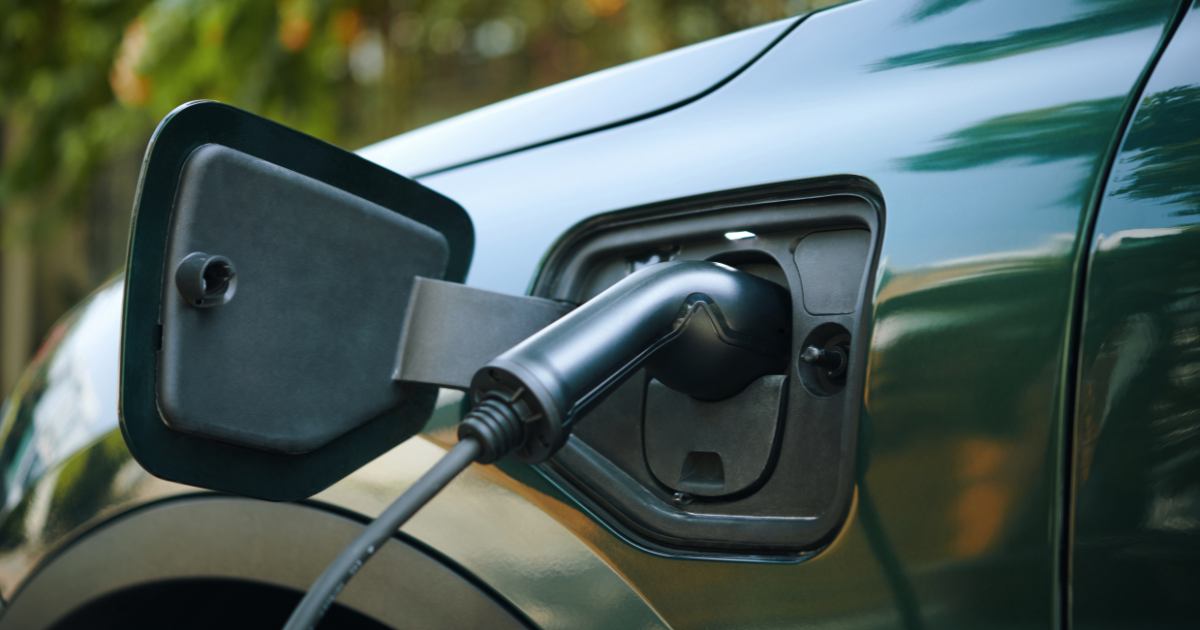
When you purchase an EV, investing in a home charging station might be more justifiable since you’ll own the vehicle long-term. However, for leased vehicles, the decision to invest in charging infrastructure might not be as clear-cut, as you won’t own the vehicle in the long run.
The 5-Minute Decision Framework: 7 Questions to Ask Yourself
To simplify the decision-making process between leasing and buying a vehicle, consider the following framework that guides you through seven essential questions.
Your Driving Habits
Assess your annual mileage to determine if leasing is suitable for you. If you drive more than 15,000 miles per year, buying might be a better option due to potential mileage limits in lease agreements.

Your Financial Situation
Evaluate your budget to determine affordable monthly payments. Consider your available cash for down payments and how your credit score affects your financing options.
Your Long-Term Plans
Consider how long you typically keep a vehicle. If you prefer to change cars frequently, leasing might be more suitable. If you keep cars for an extended period, buying could be more cost-effective.
Your Maintenance Preferences
Think about your willingness to handle maintenance and repairs. If you prefer not to deal with these issues, leasing a new vehicle every few years might be preferable.
Your Credit Score Impact
Understand how your credit score influences your leasing or buying options. A good credit score can lead to more favorable terms.
Your Tax Situation
Consider the tax implications of leasing versus buying. For instance, if you’re using the vehicle for business purposes, there might be tax benefits to one option over the other.
Your Preference for Newest Technology
If having the latest car models and technological advancements is important to you, leasing could provide the flexibility to upgrade more frequently.
By answering these seven questions, you’ll be able to make a more informed decision about whether leasing or buying is the better choice for your specific situation.
Making Your Final Decision: Which Option is Right for You in 2025
Making an informed decision about whether tolease or buy a carin 2025 requires careful consideration of several key factors. As you’ve seen,car leasing continues to grow in popularity, with nearly 24% of new vehicles being leased in the third quarter of 2024.
To make the right choice, you’ll need to weigh the advantages and disadvantages of both options in the context of the 2025 market. Consider applying the 5-minute decision framework to your specific circumstances, taking into account your driving habits, financial situation, and long-term plans.
By understanding the implications ofresidual values, depreciation, and the true cost of ownership, you’ll be better equipped to make a decision that suits your needs. Use the final checklist provided to ensure you’ve considered all the important aspects before making your decision.
When you’re ready, approach dealerships with confidence, knowing exactly what type of arrangement you want and how to negotiate the best terms for your nextvehiclein 2025.