Did you know that nearly 1 in 5 car purchases in the U.S. involves buying from another state? This significant statistic highlights the growing trend of cross-border vehicle transactions, driven by the pursuit of better deals, rare models, or specific features.
Purchasing a vehicle from another state can be a complex process, involving navigating differences in taxes, transportation logistics, and title transfer requirements. However, with the right information, you can make an informed decision and complete your transaction smoothly.
This comprehensive guide will walk you through every aspect of buying a car from another state, helping you avoid potential pitfalls and unnecessary costs.
Why Consider Out-of-State Car Buying
Exploring car deals beyond your state borders may lead to significant benefits. When you expand your car search to other states, you open yourself up to a wider range of opportunities.
Potential Cost Savings
You can potentially save money by buying a car from another state, especially for high-demand or luxury models. Price variations across regions can lead to significant savings. For instance, a car model might be overpriced in your local market but available at a better price in a neighboring state.
Access to Greater Vehicle Selection
By considering out-of-state car buying, you gain access to a substantially larger selection of vehicles. This increases your chances of finding the exact car you want, whether it’s a specific trim level, feature, or color. Some states, like California, have a larger automotive market with a greater variety of new and used vehicles.
Availability of Specific Models or Features
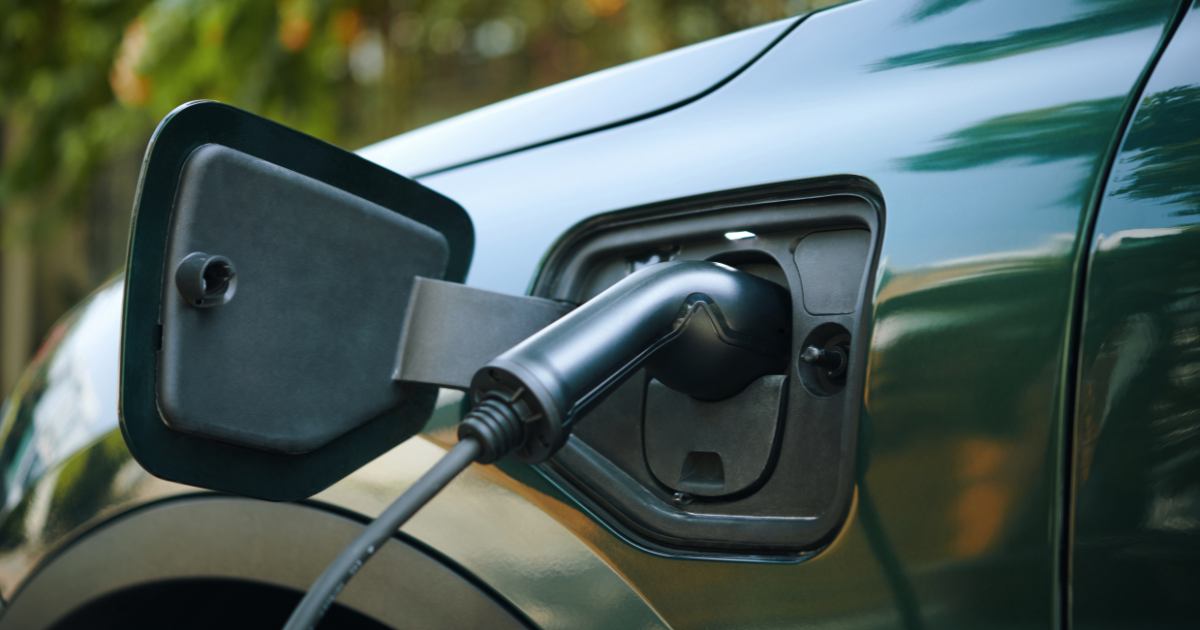
Certain states have a greater availability of specific vehicle types. For example, California is known for having more electric vehicles, while Texas may have more trucks. You might find rare models or special editions in certain regions due to varying consumer preferences.
Dealer vs. Private Party: Understanding Your Options
Out-of-state car buying involves deciding between a dealership and a private seller, each with its own set of advantages and challenges. Understanding these differences is crucial for a smooth transaction.
Buying from Out-of-State Dealerships
When you buy from an out-of-state dealership, the process is often similar to buying from a local dealer, with some key differences. Dealerships typically handle much of the paperwork involved in out-of-state transactions.
Dealer Documentation Assistance
Dealerships usually assist with temporary registration and some tax documentation, making the process easier for the buyer. This can be particularly helpful when dealing with interstate sales.
Warranty Considerations
It’s essential to understand that warranty terms may vary when the vehicle crosses state lines. Ensure you get all coverage details in writing before finalizing your purchase.
Private Seller Transactions Across State Lines
Buying from a private party across state lines requires more personal involvement in documentation and verification. You’ll need to ensure compliance with both states’ requirements.
Additional Verification Steps
When buying from a private seller, you’ll need to conduct thorough vehicle history checks and mechanical inspections, as you won’t have dealer guarantees.
Title Transfer Challenges
Title transfer can be more complex in private sales across state lines, especially if there are existing liens or financing on the vehicle. Verification of the seller’s identity and ownership is crucial.
Navigating Sales Tax When Out of State Buying
Navigating the sales tax aspects of out-of-state car buying is a critical step in the purchasing process. When you buy a vehicle from another state, the sales tax implications can be complex.
Where You Pay Sales Tax
You generally pay the sales tax of the state where you’re registering the car. If you buy from a dealership, they might collect your home state’s sales tax and provide a receipt. For private party sales, you’ll pay the sales tax at your local DMV during registration.
Potential for Double Taxation
Some states have reciprocal tax agreements to prevent double taxation, while others may require you to pay the difference if your home state’s tax rate is higher. Understanding these agreements is crucial.
Tax Exemptions and Credits
Many states offer tax credits for taxes paid in other states, but the processes for claiming these credits vary. Temporary tax exemptions may be available for vehicles purchased for use in another state, provided you have proper documentation.
Transportation Logistics: Getting Your Car Home
Bringing your new car home from out of state involves more than just driving it away. You’ll need to consider the logistics of getting your vehicle from the seller’s location to your home.
Driving It Yourself
If you decide to drive your car home yourself, you’ll need to secure temporary registration or transit permits from the state of purchase. Check with your home state’s DMV to ensure the permit is recognized.
Temporary Registration Requirements
Many buyers receive a temporary California permit, but not all states recognize it. Verify the permit’s validity in your state to avoid fines.
Trip Planning Considerations
Long-distance drives require careful planning for fuel stops, overnight accommodations, and potential weather challenges. Plan your route and book accommodations in advance.
Professional Auto Transport Services
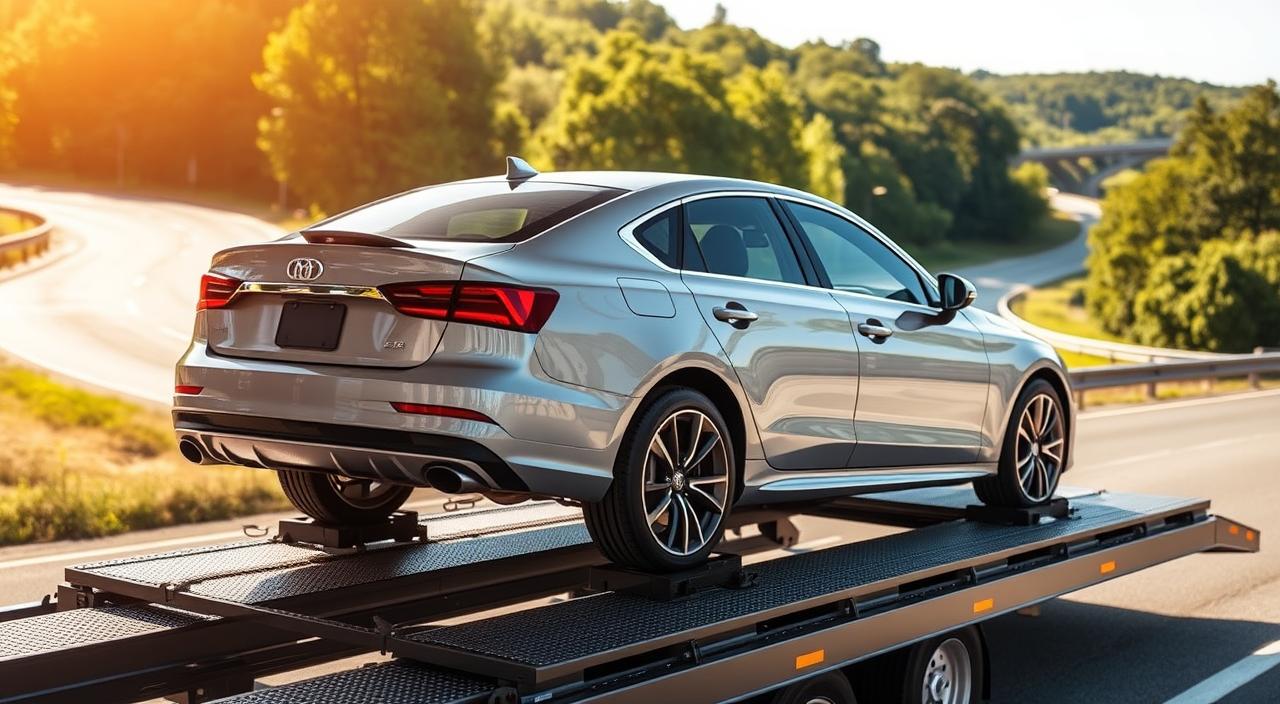
If you prefer not to drive your car home, consider hiring professional auto transport services. They offer various options, including open carriers and enclosed transport for valuable vehicles.
Cost Comparison: Driving vs. Shipping
When comparing costs, factor in fuel, accommodations, meals, and potential wear and tear on the vehicle. Consider the value of your time as well. Your auto insurance typically covers you while driving, while transport companies provide their own coverage during shipping.
Registration and Title Transfer Process
The process of registering and transferring the title of your newly purchased out-of-state car can seem daunting, but it’s manageable with the right information. To start, you’ll need to gather all the necessary documents before visiting your local DMV.
Required Documentation
When you visit your local DMV, you’ll need to collect the following items: Bill of sale, Completed application for vehicle transaction form, Title of the vehicle signed by the previous owner, Lienholders’ names and address, Filled out odometer disclosure state for title transfer, Tax Form RUT-50 Private Party Vehicle Tax Transaction, Registration Fees, Proof of insurance, and Proof of residency. Let the clerk know that you bought your car out-of-state but want to title it and register it at your home address.
State-Specific Registration Requirements
Most states require proof of insurance before completing registration, so arrange coverage before visiting your local DMV. Title transfer procedures vary by state, with some requiring notarized signatures or additional verification steps for out-of-state titles. You’ll need to complete state-specific forms for registration, which are typically available on your state’s DMV website or in person at DMV offices.
Timeline Expectations

Timeline expectations vary widely, with some states offering same-day registration and temporary tags while others may take several weeks to process paperwork. Keep copies of all documentation until you receive your permanent registration and title, as these may be needed for reference or verification.
Emissions and Inspection Compliance
One critical aspect of buying a car from out-of-state is ensuring it meets your state’s emissions standards. Emissions regulations can vary significantly between states, with some following federal guidelines and others adhering to stricter standards like those set by California.
Understanding Different State Standards
It’s crucial to understand whether your state follows federal EPA standards or the more stringent California Air Resources Board (CARB) standards. This distinction is vital because some vehicles are manufactured to meet specific state requirements, affecting their eligibility for registration in your state.
California CARB vs. Federal Emissions
California has some of the strictest emissions regulations in the country, and vehicles sold there must comply with CARB standards. A “50-state” vehicle is certified to meet both federal and CARB standards, making it registrable in any state. In contrast, a “49-state” vehicle may not meet CARB requirements, potentially causing registration issues if your state follows CARB guidelines.
Pre-Purchase Verification Steps
Before purchasing, verify the vehicle’s emissions compliance by checking its emissions label, typically found under the hood or on the driver’s door jamb. You can also ask the dealer to confirm the vehicle’s compliance with your state’s laws or provide a picture of the emissions plaque for your review.
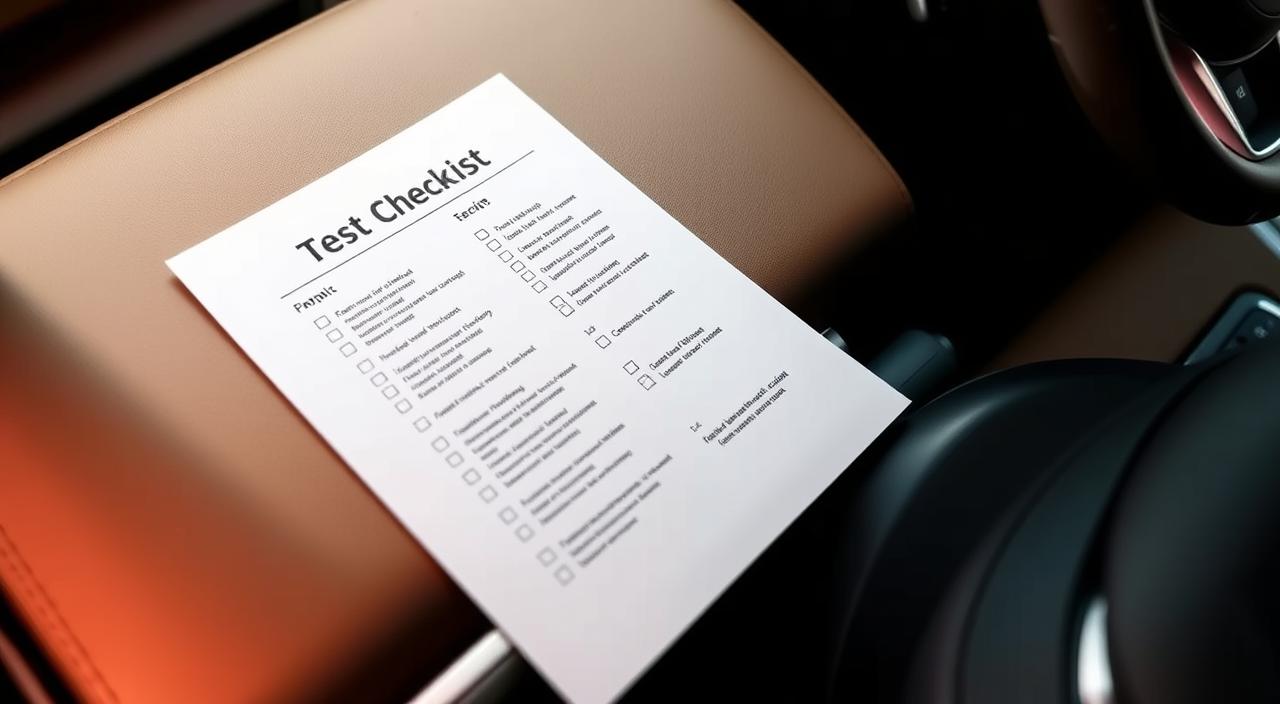
Your Out-of-State Purchase Checklist
When buying a car from another state, being informed is key to avoiding potential pitfalls. To ensure a smooth transaction, several steps should be taken.
Preparation is crucial. Researching your home state’s specific requirements for registering out-of-state vehicles before making a purchase can help avoid unexpected complications. It’s also essential to verify emissions compliance by checking whether the vehicle meets your state’s standards, especially if you live in a CARB-compliant state.
- Secure insurance coverage that will be effective immediately upon purchase, confirming with your provider that your policy covers out-of-state acquisitions.
- Compare tax implications between states to understand exactly what you’ll pay and when payment will be due.
- Arrange transportation logistics in advance, whether you plan to drive the vehicle home or use a professional transport service.
By following these tips and working with experienced dealerships, you can simplify the process of buying a car from another state. Ensure you gather all required documentation, including the title and bill of sale, and plan for any required inspections.
In conclusion, buying a car from out of state requires careful planning, but with the right information, it can be a successful experience.