Did you know that a typical two-week payday loan with a $15 per $100 fee equates to a nearly 400% APR? This means if you borrow $200, you’ll owe $230 in just two weeks. Often, borrowers struggle to repay, leading to a cycle of debt.
When facing a financial emergency, it’s tempting to opt for a loan with quick cash. However, payday loans often lead to more financial strain due to exorbitant interest rates. This guide explores safer, more affordable alternatives that won’t damage your credit or trap you in high-interest debt.
You’ll discover various borrowing options with better terms and more flexible repayment schedules, helping you address immediate cash needs without jeopardizing your financial stability.
The Payday Loan Trap: Why You Should Look for Alternatives
While payday loans offer fast cash, their drawbacks can far outweigh the benefits for many borrowers. The convenience of payday loans is often overshadowed by their high costs and potential to lead borrowers into a debt trap.
Understanding Payday Loans and Their Risks
Payday loans are short-term, high-interest loans that are typically due on the borrower’s next payday. They often come with significant fees, which can make them expensive.
Generally, payday lenders don’t report positive payment history to the credit bureaus, meaning they can’t improve your credit score. However, failing to repay the loan can lead to the lender selling your debt to a collection agency, potentially damaging your credit.
How Payday Loans Affect Your Financial Health
The impact of payday loans on financial health can be substantial. Some key concerns include:
- Defaulting on a payday loan can severely damage your credit if the debt is sent to collections.
- The high cost of payday loans can quickly deplete your next paycheck, potentially creating a need for additional borrowing.
- Many borrowers find themselves trapped in a cycle of rolling over or renewing payday loans, with the CFPB finding that four out of five payday loans are rolled over or renewed within 14 days.
- The stress of managing payday loan debt can negatively impact mental health and decision-making abilities.
- Relying on payday loans can prevent the development of healthier financial habits, such as budgeting and saving.
Understanding these risks is crucial for making informed decisions about your financial health and exploring alternatives to payday loans.
Personal Loans: A More Affordable Borrowing Option
For those in need of quick cash, personal loans present a more manageable and less risky alternative to payday loans. Unlike payday loans, personal loans offer a structured repayment plan that can help you regain control over your finances.
Personal loans typically offer several advantages, including lower interest rates and more extended repayment periods. Here are some key benefits:
- Interest rates between 6% and 36% APR, significantly lower than payday loans.
- Repayment periods of months or years, making monthly payments more manageable.
- Most lenders report payment activity to credit bureaus, helping you build credit.
- No rollover fees or penalties that can lead to a debt trap.
- Quick approval and next-day funding from many online lenders.
Oportun: Best for No Credit History
Oportun is a great option for those with no credit history. They offer personal loans with reasonable terms and report to credit bureaus, helping you establish your credit.
PenFed Personal Loans: Best for Good Credit
PenFed offers competitive personal loans for individuals with good credit. Their rates are attractive, and they provide excellent customer service.
How Personal Loans Compare to Payday Loans
When comparing personal loans to payday loans, the former offers more favorable terms, including lower interest rates and longer repayment periods. This makes personal loans a more sustainable financial solution.
Credit Union Options for Short-Term Borrowing
For those seeking payday loan alternatives, credit unions offer a range of beneficial short-term borrowing options. These financial cooperatives provide members with more favorable terms and lower interest rates compared to traditional payday lenders.
Payday Alternative Loans (PALs) Explained
Payday Alternative Loans (PALs) are a type of loan offered by some credit unions, designed to be a more affordable alternative to payday loans. They typically have lower interest rates and more favorable repayment terms.
Navy Federal Credit Union: Best for Military Members
Navy Federal Credit Union is a great option for military members and their families. They offer personal loans with competitive interest rates and flexible repayment terms, making it easier to manage your finances during challenging times.
First Tech Federal Credit Union: Best for Flexible Repayment
First Tech Federal Credit Union offers personal loans starting at $500, with interest rates as low as 7.99% APR for qualified borrowers. Key benefits include:
- A payment deferral option, allowing you to postpone your first payment for up to 45 days.
- No origination fees or prepayment penalties.
- Loan terms ranging from 2 to 7 years, providing flexibility in repayment.
By choosing a credit union like First Tech Federal Credit Union, you can access more affordable and manageable loan options for your short-term borrowing needs.
Cash Advance Apps and Services
When facing a financial emergency, exploring alternatives to payday loans is crucial, and cash advance apps have emerged as a viable option. These apps provide a convenient way to access cash when you need it most.
How Cash Advance Apps Work
Cash advance apps connect users with short-term loan options, typically requiring a linked bank account and regular income. They offer a straightforward way to obtain a cash advance, often with fewer hurdles than traditional lending institutions.
Top Apps to Consider: Earnin, Dave, and Brigit
Some of the top cash advance apps include Earnin, Dave, and Brigit. These apps are known for their user-friendly interfaces and relatively low fees compared to payday loans.
Earnin offers cash advances without mandatory fees, while Dave provides advances with optional tips. Brigit offers cash advances and financial management tools.
Pros and Cons of Using Cash Advance Services
Cash advance apps have several advantages, including lower fees compared to payday loans, no credit checks, and fast access to funds. However, they may have limitations, such as smaller advance amounts and potential subscription fees. It’s essential to weigh these factors when considering a cash advance app.
- Pros: Lower fees, no credit checks, fast access to funds.
- Cons: Smaller advance amounts, potential subscription fees, may encourage dependency.
By understanding the pros and cons, you can make an informed decision about using cash advance apps as a financial option.
Negotiating with Creditors: Payment Plans and Hardship Programs
If you’re struggling to meet your debt obligations, consider reaching out to your creditors to explore possible alternatives. Negotiating with creditors can provide a viable solution to manage your financial strain.
How to Approach Creditors About Your Financial Situation
When contacting your creditors, be prepared to explain your financial situation clearly and honestly. Provide details about your income, expenses, and any factors contributing to your financial hardship. This information will help your creditors understand your situation and potentially offer alternatives.
Types of Relief Programs Available
Creditors may offer various relief programs, including temporary hardship programs, interest rate reductions, debt management plans, and loan modification programs. Utility companies may also offer budget billing plans and assistance programs for low-income households.
| Relief Program | Description | Potential Benefits |
|---|---|---|
| Temporary Hardship Programs | Reduce or suspend payments for 3-6 months | Avoid late fees, prevent debt accumulation |
| Interest Rate Reductions | Lower interest rates on debts | Reduce monthly payments, overall debt burden |
| Debt Management Plans | Consolidate debts into a single payment | Simplify payments, potentially lower interest rates |
By negotiating with your creditors and exploring available relief programs, you can find a more manageable solution to your financial challenges.
Borrowing from Friends and Family Responsibly
When you’re in a financial bind, asking friends and family for a loan can be a more personal and flexible solution. However, it’s crucial to handle this arrangement with care to maintain healthy relationships.
Setting Clear Terms and Expectations
To avoid misunderstandings, it’s essential to set clear terms for the loan. This includes deciding on the amount borrowed, the interest rate (if any), and the repayment period. Being transparent about your financial situation and your plan for repaying the loan can help set a positive tone for the agreement.
Creating a Repayment Plan
Developing a detailed repayment schedule is vital. Consider aligning your payments with your income pattern, whether that’s weekly, bi-weekly, or monthly. You may also want to set up automatic transfers to ensure timely payments. Prioritizing this loan repayment is crucial, as defaulting can strain your relationship with your loved ones.
If you anticipate any difficulty in making a payment, proactively communicate with your lender. Finally, expressing gratitude throughout the repayment process, perhaps with a small gesture upon final payment, can go a long way in maintaining a healthy relationship.

Credit Card Options as Payday Loan Alternatives
Exploring credit card alternatives to payday loans can uncover more beneficial borrowing solutions, tailored to your financial situation. Credit cards offer a range of benefits and flexibility that can make them a more attractive option for managing emergency expenses or financial shortfalls.
Credit card options vary widely, and understanding their features is crucial. Cards with 0% APR introductory offers on purchases can provide interest-free financing for 12-21 months, giving you ample time to pay off emergency expenses without accruing interest. If you already have credit card debt, balance transfer cards with 0% APR promotions allow you to consolidate and pay down existing balances without additional interest charges.
Credit Card Cash Advances: When They Make Sense
Credit card cash advances can be a convenient, though potentially costly, option for immediate cash needs. It’s essential to understand the credit card cash advance rates and terms before proceeding.
Low-Interest Credit Cards for Emergency Expenses
For ongoing emergency preparedness, consider low-interest credit cards. Some credit unions offer credit cards with permanently lower interest rates (around 8-12% APR) than major banks, making them good options.
Additionally, secured credit cards are accessible to those with damaged credit and can serve as both an emergency funding source and a tool to rebuild your credit score.
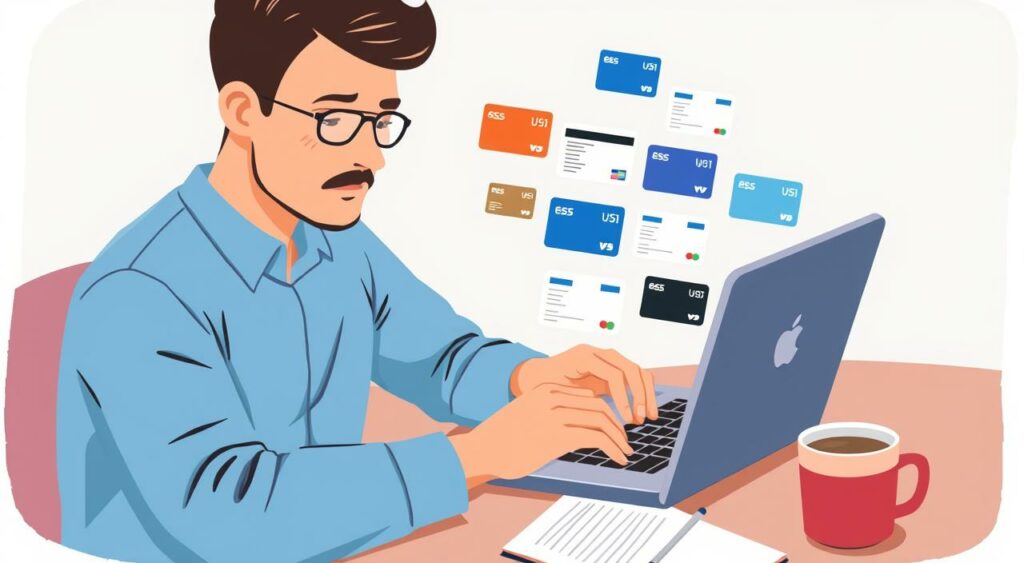
Credit cards with rewards programs can provide additional value through cash back or points on necessary emergency purchases, helping offset some of the costs. If your credit is really flawed, you may need to shop around to find a lender who specializes in low credit scores. It’s also worth checking with your bank or credit union to see their available options.
Financial Assistance Programs You Should Know About
If you’re struggling financially, you’re not alone; numerous financial assistance programs can offer a lifeline. These programs are designed to help you manage your financial challenges and provide support when you need it most.
Government Assistance Programs
Government assistance programs can provide crucial support during financial hardship. Programs such as Temporary Assistance for Needy Families (TANF) and Supplemental Nutrition Assistance Program (SNAP) can help with basic needs.
You may also be eligible for assistance with credit issues or help paying bills and reducing costs. To find out more about these programs and their eligibility criteria, you can visit your local social services department or their official website.
Nonprofit and Charitable Organization Support
Nonprofit and charitable organizations also offer various forms of financial assistance. For example, The Salvation Army provides emergency financial assistance for rent, utilities, and food. Catholic Charities offers help with basic needs and sometimes even provides interest-free emergency loans.
Additionally, United Way’s 211 service connects people with local resources for financial assistance, food, housing, and healthcare. These organizations can provide cash assistance and help you find ways to manage your financial situation.
Preventative Measures: Avoiding the Need for Emergency Loans
Taking control of your finances can help you steer clear of emergency loans. By being proactive, you can avoid the financial strain that often leads to seeking emergency funding.
Building an Emergency Fund
Creating an emergency fund is a crucial step in avoiding the need for emergency loans. You should aim to save enough to cover 3-6 months of living expenses. This fund will serve as a safety net during unexpected events, such as car repairs or medical bills. Start by setting aside a small amount each month, and gradually increase it over time. Consider keeping your emergency fund separate from your everyday spending money to avoid the temptation to use it for non-essential purchases.
Side Gigs for Extra Income
Supplementing your income with side gigs can help you build your emergency fund faster. You can explore various opportunities, such as driving for Uber or Lyft, delivering food with DoorDash or Instacart, or freelancing on platforms like Upwork or Fiverr.
You can also consider pet sitting or dog walking through Rover, or selling handmade items on Etsy. These flexible options allow you to earn extra cash on your own schedule, reducing your reliance on emergency loans.
Making the Right Choice for Your Financial Future
As you navigate financial challenges, understanding the array of payday loan alternatives available can be a game-changer. When evaluating these alternatives, consider not just the immediate cost but also how each option affects your long-term financial health andcredit score. Creating a decision framework by comparinginterest rates, fees, repayment terms, and potential impact on your credit for each available alternative is crucial.
To create a more robust financial safety net, consider combining strategies such as negotiating with creditors while building an emergency fund. The best solution often depends on your specific situation, including yourcredit score, banking relationship, employment status, and the amount you need to borrow. Seeking professional advice from nonprofit credit counselors can provide personalized guidance.
By addressing the root causes of your financial stress through budgeting, increasing income, reducing expenses, and systematically building savings, you can break the cycle of emergency borrowing. View your current financial challenge as an opportunity to make lasting changes that will improve your financial resilience and reduce your vulnerability to predatory lending in the future.