Are you stuck with a credit card that no longer meets your needs? Perhaps you’re not maximizing your rewards or you’re paying higher fees than necessary. The good news is that you don’t have to cancel your card and apply for a new one, potentially harming your credit score.
A credit card “product change” allows you to switch to a different card within the same issuer’s portfolio, preserving your account history and age. This means you can upgrade or downgrade your card to better suit your current financial situation without undergoing a new credit application.
By doing so, you can enjoy better perks and rewards that align with your spending habits, all while maintaining your credit history. This strategy is particularly valuable for those looking to optimize their credit card benefits without negatively impacting their credit profile.
Understanding Credit Card Product Changes
A product change on your credit card allows you to switch to a different card within the same issuer’s portfolio without having to apply for a new account. This can be particularly useful if you’re happy with your current credit card issuer but want to change your card’s benefits or features.
What Is a Product Change?
A product change involves switching your existing credit card to a different product offered by the same issuer. For instance, you might change from a cashback card to a travel rewards card. This process doesn’t require a new application, and it doesn’t involve closing your existing account.
As a result, a product change typically doesn’t affect your credit age or involve a hard inquiry, which can temporarily lower your credit score. One of the key benefits of a product change is that it allows you to maintain your existing credit line and account history.
How Product Changes Differ from New Applications
When you apply for a new credit card, the process is different from a product change in several key ways. For one, a new application typically involves a hard inquiry on your credit report, which can cause a temporary dip in your credit score.
In contrast, a product change doesn’t involve a hard inquiry or opening a new account. This means your credit score is less likely to be affected. However, product changes may not be eligible for the same welcome bonuses or introductory APR offers that often come with new card applications.
- A product change allows you to switch cards within the same issuer without a new application.
- Unlike new applications, product changes typically don’t involve hard inquiries or affect your credit age.
- New card applications often come with bonuses and introductory offers not available with product changes.
Benefits of Making a Credit Card Product Change
A credit card product change can offer several advantages without negatively impacting your credit score. By switching to a different credit card product, you can better align your credit card with your current financial needs and goals.
Preserving Your Credit History and Account Age
One of the significant benefits of a product change is that it allows you to preserve your credit history and account age. When you change your credit card product, you’re not opening a new account; you’re simply modifying the existing one. This means that the age of your account remains intact, which is a crucial factor in determining your credit score.
As stated by credit experts, “Your payment history, which includes the age of your accounts, accounts for a significant portion of your credit score.” Maintaining a longer credit history can positively impact your credit score.
“The older the account, the more positively it is viewed by lenders,” says a financial advisor. Preserving your account age through a product change can be particularly beneficial if you’ve had your credit card for a long time.
Avoiding Hard Credit Inquiries
Another advantage of making a credit card product change is that it typically doesn’t result in a hard credit inquiry. When you apply for a new credit card, the issuer usually performs a hard inquiry, which can temporarily lower your credit score. However, since a product change involves modifying an existing account, it generally doesn’t trigger a hard inquiry.
This allows you to make changes to your credit card without risking a negative impact on your credit score due to unnecessary inquiries.
Maintaining Your Credit Line and Utilization Ratio
By making a product change, you can maintain your existing credit line, which is essential for keeping your credit utilization ratio in check. Your credit utilization ratio is the percentage of available credit being used, and it accounts for approximately 30% of your FICO score calculation.
When you close a credit card account, you lose that available credit line, potentially increasing your overall utilization ratio and lowering your credit score. Product changes allow you to switch to a card that better suits your needs while preserving your credit line and maintaining a healthy utilization ratio.
For instance, if you have a credit card with a high credit limit and you’re concerned about the annual fee, you can change to a no-annual-fee card within the same issuer’s product lineup. This way, you maintain the credit line and avoid an increased utilization ratio. As a result, your credit score is more likely to remain stable or even improve over time.
When to Consider a Product Change for Your Credit Card
Knowing when to make a credit card product change can significantly impact your financial health. A product change allows you to switch to a different credit card product offered by the same issuer, potentially improving your benefits and rewards without affecting your credit score negatively.
Annual Fee No Longer Worth the Cost
If your current credit card comes with an annual fee that you no longer feel is justified by the benefits you receive, it might be time to consider a product change. You can switch to a card with no annual fee or one that offers benefits more aligned with your current needs.
Your Spending Habits Have Changed
Changes in your spending habits might make a different credit card more suitable. For instance, if you now spend more on travel, switching to a card that offers better travel rewards can be beneficial. A product change allows you to adapt your credit card benefits to your new spending patterns.
You Want Better Rewards or Perks
If you’re looking for enhanced rewards or perks that your current card doesn’t offer, a product change can be a good solution. You might want a card that offers higher cashback rates, better travel insurance, or more lucrative rewards programs. By changing products, you can enjoy these benefits without applying for a new credit card.
You’re Planning a Major Purchase or Loan Application
When preparing for major financial events like applying for a mortgage or auto loan, maintaining a stable credit profile is crucial. A product change can help you optimize your credit card portfolio for upcoming large purchases without the negative impact of hard inquiries or new accounts.
| Scenario | Benefit of Product Change |
|---|---|
| Preparing for a mortgage application | Avoids hard inquiries that can lower your credit score |
| Changing spending habits | Allows adaptation to new spending patterns for better rewards |
| Annual fee increase | Switch to a card with no or lower annual fee |
How to Request a Credit Card Product Change
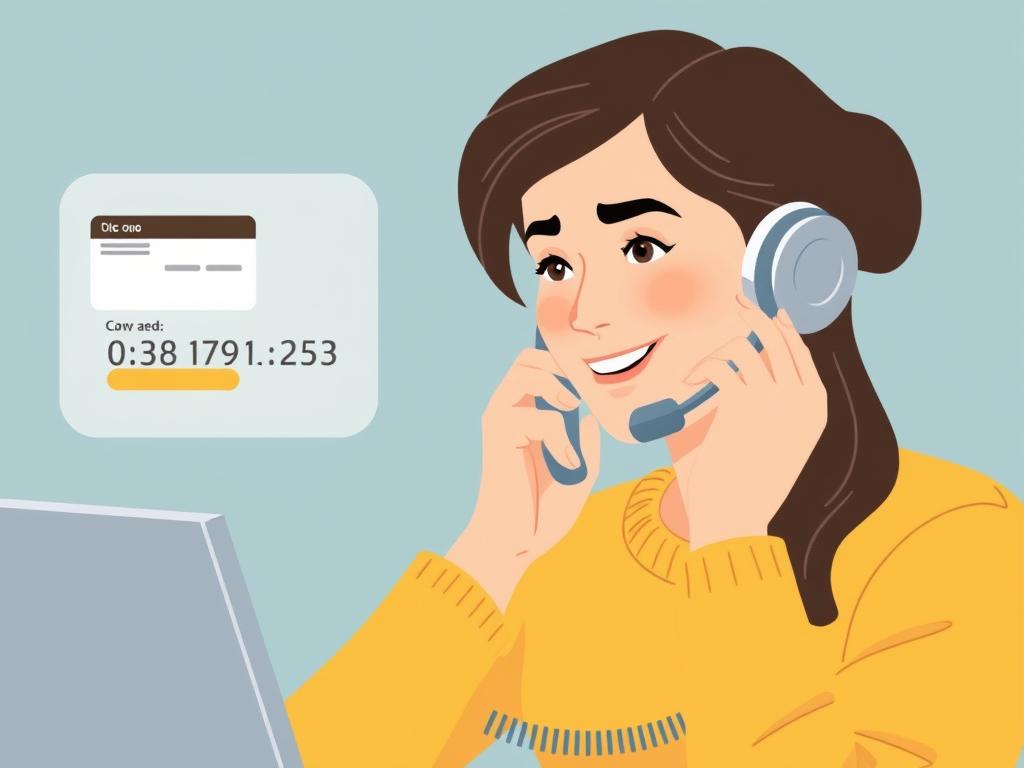
A credit card product change allows you to switch to a different card within the same issuer, preserving your account history. This can be a beneficial move if your financial needs or spending habits have changed.
Preparing for the Conversation
Before calling your credit card issuer, gather the necessary information, including your account details and the new card you’re interested in. Understanding the benefits and terms of the new card will help you make a more informed decision during the conversation.
Step-by-Step Process for Requesting a Change
To request a product change, follow these steps:
- Call the customer service number on the back of your card or use the issuer’s online platform if available.
- Clearly state your intention to change your credit card product and provide the account information.
- Specify the new card you’re interested in and ask about any specific requirements or restrictions.
- Review and agree to the terms of the new card, including any changes to fees, rewards, or benefits.
What to Do After Your Product Change Is Approved
Once your product change is approved, you’ll typically receive your new card within 7-10 business days. Here’s what you should do next:
- Activate your new card immediately and destroy your old card, even if the account number remains the same.
- Update any recurring payments, subscription services, and digital wallets with your new card information.
- Log in to your online account to verify that the product change has been properly processed.
- Familiarize yourself with your new card’s benefits, rewards structure, and any activation requirements.
By following these steps, you can ensure a smooth transition to your new credit card product and continue to maximize your rewards and benefits.
Product Change Policies by Major Card Issuers
If you’re considering a credit card product change, it’s essential to familiarize yourself with the policies of major card issuers like Chase, American Express, Citi, and Capital One. Each issuer has its own set of rules and options for cardholders looking to upgrade or downgrade their credit cards.
Chase Product Change Rules and Options
Chase allows product changes for many of its credit cards, but the specifics can vary depending on the card you’re holding and the card you want to change to. Generally, Chase permits changes between cards within the same family or with similar benefits.
Key considerations: Chase typically requires your account to be in good standing and may have specific timeframes for when you can request a product change.
American Express Product Change Guidelines
American Express offers product changes for many of its cards, allowing cardholders to switch to a different Amex product that better suits their needs. The process is generally straightforward, but the available options depend on your current card and credit history.
Important details: American Express often allows changes between cards with similar benefits or within the same product family, and they typically maintain your existing rewards balance.
Citi Product Change Possibilities
Citi’s product change policies vary by card, but they generally allow changes between Citi credit cards that are similar in structure or benefits. Cardholders can contact Citi’s customer service to inquire about available options.
Key points: Citi usually requires accounts to be open for a certain period before allowing a product change, and your credit limit and rewards are typically preserved.
Capital One Product Change Examples
Capital One is known for its flexible product change options, allowing cardholders to switch between cards within the same rewards family. For example, you can upgrade from the Capital One Venture to the Venture X or downgrade to the VentureOne.
Notable examples: Cardholders can change from a Venture card to a Venture X to earn more miles on travel purchases or switch to a VentureOne for a no-annual-fee option while maintaining travel rewards.
Capital One’s product change system is designed to be user-friendly, allowing for both upgrades and downgrades. The issuer typically maintains your existing rewards balance and credit limit during the change.
Potential Drawbacks to Consider Before Making a Change
When considering a credit card product change, it’s essential to weigh the benefits against the potential drawbacks. One significant disadvantage is that you will rarely receive a welcome offer when making a product change, with some exceptions for targeted offers. You should also be aware that you may lose access to certain card-specific benefits, such as travel credits or purchase protections, when switching to a new card.
Key considerations include the potential loss of accrued points or miles, changes to terms and conditions, and the possibility of a new card design. Some issuers may not allow rewards to transfer between different types of cards, so it’s crucial to use your points or miles before making the change. You should also calculate whether the value of the benefits you’re giving up exceeds the fee savings before making the switch.
By understanding these potential drawbacks, you can make an informed decision about whether a credit card product change is right for you. It’s also essential to review the terms and conditions of your new card to ensure it aligns with your financial goals.
FAQ
What is a credit card product change, and how does it differ from applying for a new credit card?
A credit card product change allows you to switch to a different credit card offered by the same issuer, without having to close your existing account or apply for a new one. This means you can keep your account age and credit history intact.
Will a product change affect my credit score?
Generally, a credit card product change does not result in a hard credit inquiry, which can temporarily lower your credit score. However, it’s essential to confirm with your card issuer to ensure this is the case.
Can I change my credit card to one with a lower annual fee?
Yes, if you’re no longer getting the value you want from your current credit card, you can request a product change to a card with a lower or no annual fee. This can help you save money and still maintain your credit line.
How do I request a credit card product change?
To request a credit card product change, you should contact your card issuer’s customer service department, either by phone or through their online platform. Be prepared to discuss your reasons for wanting to make the change and provide information about the new card you’re interested in.
Are there any restrictions on credit card product changes?
Yes, card issuers have different policies regarding product changes. Some may have specific rules or restrictions, such as limiting the number of product changes you can make within a certain timeframe. It’s crucial to check with your issuer to understand their policies.
Can I change my credit card to one that offers better rewards or perks?
Yes, if your spending habits or financial goals have changed, you can request a product change to a credit card that offers rewards or perks that better align with your needs.
Will I lose my accumulated rewards or cash back if I change my credit card?
It depends on the card issuer’s policies. In some cases, your accumulated rewards or cash back may be transferred to your new card, while in other cases, they may be lost. Be sure to ask about this when you request the product change.