Online car auctions have exploded in popularity over the past decade. Platforms like Copart, IAA, and Cars & Bids connect buyers directly with thousands of vehicles daily.
These auctions promise significant savings compared to traditional dealerships and private sellers. You can bid on everything from salvage titles to luxury vehicles from your living room.
However, buying sight-unseen carries risks that many first-time auction buyers underestimate. Understanding both advantages and drawbacks helps you decide if online auctions fit your car-buying strategy.
How Online Car Auctions Work
Online car auctions operate through digital platforms where sellers list vehicles and buyers place competitive bids. Most auctions run for specific time periods, typically 24 to 72 hours, with the highest bidder winning the vehicle. Some platforms use live auctions with real-time bidding, while others accept sealed bids until a deadline.
Registration requirements vary by platform but generally include identity verification and payment method confirmation. Many auction sites require membership fees or buyer’s premiums ranging from 5% to 10% of the final bid price. Understanding the platform’s specific rules and fee structure before bidding prevents unexpected costs.
Major Auction Platforms
Copart and Insurance Auto Auctions (IAA) dominate the salvage and insurance vehicle market. These platforms primarily sell damaged, totaled, or repossessed vehicles to dealers and the public. Cars & Bids and Bring a Trailer focus on enthusiast vehicles in good condition, attracting collectors and car enthusiasts willing to pay premium prices.
Registration and Bidding Process
Create an account by providing your driver’s license, contact information, and payment details. Some platforms require a refundable deposit before you can bid, typically $100 to $500. Once approved, browse listings, set maximum bids, and monitor auctions until they close. Winning bidders receive payment instructions and vehicle pickup details.
Payment and Pickup Requirements
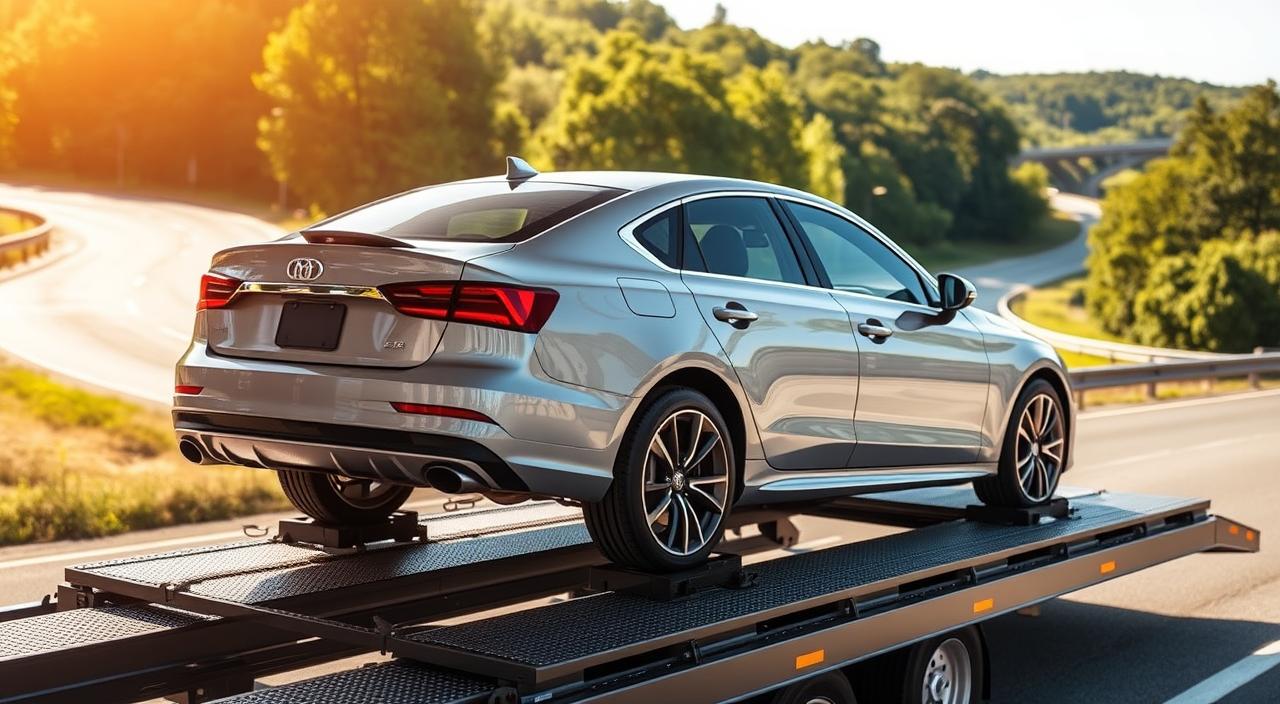
Most auction platforms require full payment within 3 to 7 business days of winning. Accepted payment methods usually include wire transfers, cashier’s checks, and sometimes credit cards with additional fees. You’re responsible for arranging vehicle transportation from the auction yard, either by hiring a transport service or picking it up yourself with proper documentation.
The Advantages of Online Car Auctions
Online auctions offer compelling benefits that attract thousands of buyers monthly. The potential for below-market pricing stands out as the primary draw, especially for mechanically inclined buyers who can handle repairs. Access to inventory that never reaches traditional dealerships provides unique opportunities.
The convenience factor cannot be overstated—you can participate in auctions nationwide without leaving home. This expanded geographic reach means more options and better chances of finding exactly what you want. Transparency in bidding history and vehicle condition reports helps informed decision-making.
Significant Cost Savings
Auction vehicles typically sell for 20% to 50% below retail market value, according to industry estimates.[^1] Salvage title vehicles offer even steeper discounts, sometimes 60% to 70% off comparable clean-title cars. These savings can offset repair costs and still leave you with equity, particularly if you perform work yourself.
Access to Unique Inventory
Online auctions feature vehicles you won’t find at traditional dealerships:
- Fleet vehicles – Former rental cars and corporate fleet vehicles with detailed maintenance records
- Insurance salvage – Vehicles declared total losses that may have minor damage
- Repossessions – Bank-owned vehicles sold to recover loan balances
- Government surplus – Police vehicles, municipal cars, and seized assets
- Exotic and classic cars – Rare vehicles from estates and private collections
- Dealer trade-ins – Cars that dealerships wholesale rather than retail
Transparent Condition Reports
Reputable auction platforms provide detailed condition reports with multiple photographs. These reports document visible damage, mechanical issues, and operational status of major systems. Some platforms offer vehicle history reports from Carfax or AutoCheck, revealing accident history, title status, and odometer readings.
Nationwide Shopping Convenience
Browse thousands of vehicles from multiple states without traveling. Set search filters for make, model, year, condition, and location to find exactly what you need. This geographic flexibility is particularly valuable when searching for rare models or specific configurations unavailable locally.
The Risks and Disadvantages
Online car auctions carry substantial risks that can turn a bargain into a financial disaster. The inability to physically inspect vehicles before bidding represents the most significant drawback. Hidden damage, mechanical problems, and title issues frequently surprise inexperienced auction buyers.
Additional costs beyond the winning bid can quickly erode savings. Transportation fees, buyer’s premiums, title transfer costs, and necessary repairs add up fast. Some buyers discover their “deal” actually costs more than purchasing from a traditional dealer once all expenses are tallied.
No Test Drives or Physical Inspections
You’re bidding based solely on photographs and written descriptions. Sellers may photograph vehicles from flattering angles that hide damage or rust. Mechanical problems rarely appear in photos—engine issues, transmission problems, and electrical faults remain invisible until you take possession.
Important: Most auction sales are final with “as-is, where-is” terms. You cannot return the vehicle if it’s worse than expected or doesn’t run at all.
Hidden Damage and Repair Costs
Auction photos show exterior damage but rarely reveal structural or frame damage. Water-damaged vehicles may look fine externally while harboring electrical gremlins and mold. Airbag deployment, even if repaired, can indicate more serious collision damage than photos suggest.
Title and Ownership Complications
Salvage titles permanently reduce vehicle value by 20% to 40% and complicate insurance and financing. Some states restrict salvage title registration or require extensive inspections before allowing road use. Rebuilt titles, branded titles, and liens can create legal headaches that take months to resolve.
Transportation and Logistics Costs
Shipping a vehicle across the country costs $500 to $1,500 depending on distance and transport method. You’ll need to arrange pickup within strict timeframes, often 3 to 10 days, or face daily storage fees of $25 to $75. International buyers face even higher costs with customs, duties, and overseas shipping.
Competitive Bidding Pressure
Auction fever causes buyers to exceed their budgets in the heat of bidding. Professional dealers with deep pockets often drive prices higher than anticipated. Last-second bid sniping can push final prices close to retail value, eliminating expected savings.
Comparing Online Auctions to Traditional Buying
Understanding how online auctions stack up against dealerships and private sellers helps you choose the right purchasing method. Each approach offers distinct advantages depending on your priorities, mechanical knowledge, and risk tolerance.
The table below compares key factors across all three buying methods:
| Factor | Online Auctions | Dealerships | Private Sellers |
|---|---|---|---|
| Price | 20-50% below market | Full retail pricing | 10-20% below retail |
| Inspection | Photos only | Full test drive | Can inspect/test drive |
| Warranty | None (as-is) | Often included | None (as-is) |
| Financing | Must arrange yourself | In-house financing | Must arrange yourself |
| Return Policy | No returns | 3-7 day returns possible | No returns |
| Title Issues | Common (salvage/rebuilt) | Clean titles standard | Usually clean titles |
| Selection | Thousands nationwide | Local inventory only | Limited local options |
| Convenience | Bid from home | Must visit in person | Must meet seller |
| Buyer Protection | Minimal | Consumer laws apply | Minimal |
| Hidden Problems | High risk | Lower risk | Moderate risk |
Dealership Benefits
Dealerships provide peace of mind through consumer protection laws and established business practices. You can test drive vehicles, have mechanics inspect them before purchase, and often receive limited warranties. Financing options are readily available, though interest rates may be higher than credit unions or banks.
Private Seller Middle Ground
Buying from private sellers offers moderate savings with the ability to inspect and test drive vehicles. You can ask the owner about maintenance history and driving habits. However, private sales lack consumer protections, and sellers may not disclose known problems.
When Auctions Make Sense
Online auctions work best for mechanically skilled buyers who can assess damage from photos and perform repairs. They’re ideal when searching for specific rare models unavailable locally. Buyers with cash ready and flexible timelines benefit most from auction opportunities.
Who Should Consider Online Auctions
Online car auctions aren’t for everyone—certain buyer profiles succeed while others face frustration and financial loss. Your mechanical knowledge, risk tolerance, and financial situation determine whether auctions suit your needs. Honest self-assessment prevents costly mistakes.
Professional mechanics, body shop owners, and car flippers dominate auction platforms for good reason. They possess skills to evaluate damage, perform repairs economically, and understand true vehicle values. Hobbyists with project car experience also find success in this environment.
Ideal Auction Buyer Profile
The perfect auction buyer combines several key characteristics. They have mechanical knowledge to assess repair needs from photographs and descriptions. They maintain cash reserves for unexpected repairs beyond initial estimates. They understand title branding implications and state-specific registration requirements.
Buyers Who Should Avoid Auctions
First-time car buyers should steer clear of online auctions entirely. Those needing reliable daily transportation cannot afford the downtime required for repairs. Buyers without emergency funds to cover unexpected mechanical problems will struggle when issues arise after purchase.
Professional and Commercial Buyers
Dealers, mechanics, and auto recyclers form the core auction customer base. They buy vehicles in bulk, part them out, or repair and resell for profit. These professionals understand market values, repair costs, and profit margins that make auction purchases viable business ventures.
Enthusiasts and Project Car Seekers
Car enthusiasts hunting for specific models to restore or modify find auctions valuable. They’re willing to invest time and money into long-term projects. These buyers view mechanical challenges as opportunities rather than obstacles, enjoying the restoration process itself.
Types of Vehicles Sold at Online Auctions
Online auctions feature diverse vehicle categories, each with distinct characteristics and risk levels. Understanding these categories helps you target appropriate vehicles for your needs and skill level. Some categories offer better value and lower risk than others.
Vehicle condition ranges from pristine collector cars to complete parts vehicles. Auction platforms use various classification systems to categorize inventory. Learning these classifications prevents bidding on vehicles unsuitable for your purposes.
Salvage and Rebuilt Titles
Salvage vehicles sustained damage exceeding 70% to 90% of their value, as determined by insurance companies. Common causes include collision damage, flood damage, theft recovery, and hail damage. Rebuilt titles indicate salvage vehicles that underwent repairs and passed state inspections for road use.
Clean Title Vehicles
Not all auction vehicles carry salvage titles—many feature clean titles from various sources. Repossessed vehicles from banks and credit unions often have clean titles and minimal damage. Fleet vehicles from rental companies and corporations typically maintain clean titles with documented service histories.
Exotic and Collector Cars
Specialized platforms like Bring a Trailer and Cars & Bids focus on enthusiast vehicles. These auctions feature classic cars, limited production models, and high-performance vehicles. Bidding can be fierce, with final prices sometimes exceeding retail market values for desirable examples.
Parts and Non-Running Vehicles
Some auction vehicles are sold explicitly as parts cars or non-runners. These vehicles may have missing components, severe damage, or mechanical failures making them uneconomical to repair. Buyers purchase them for parts harvesting or complete rebuilds rather than simple repairs.
Essential Tips for First-Time Auction Buyers
Success in online car auctions requires preparation, discipline, and realistic expectations. First-time buyers who rush in without research often overpay or buy problem vehicles. Following proven strategies minimizes risks and maximizes your chances of finding a genuine deal.
Start small with lower-value vehicles to learn the process before bidding on expensive cars. Treat your first purchase as education—even if it doesn’t work out perfectly, you’ll gain valuable experience. The lessons learned on a $3,000 car are cheaper than mistakes on a $20,000 vehicle.
Research Vehicle Values Thoroughly
Check Kelley Blue Book, NADA Guides, and recent sales data for comparable vehicles before bidding. Factor in the vehicle’s title status—salvage titles reduce value by 20% to 40% compared to clean titles. Account for visible damage and estimate repair costs conservatively, adding 25% to 50% buffer for unexpected issues.
Set a Maximum Bid and Stick to It
Calculate your absolute maximum price including the winning bid, buyer’s premium, transportation, and estimated repairs. Write this number down before bidding begins. When auction fever strikes and bidding intensifies, refer to your written maximum and stop when you reach it, no matter how tempting continued bidding seems.
Read the Entire Listing Carefully
Auction listings contain crucial information that many buyers skip. Note the following details:
- Title status – Salvage, rebuilt, clean, or certificate of destruction
- Primary damage – Front end, rear end, side, undercarriage, or all over
- Secondary damage – Additional problems beyond the primary issue
- Key availability – Many auction vehicles lack keys, requiring replacement
- Run and drive status – Whether the vehicle starts and moves under its own power
- Odometer reading – Verify it matches photos and seems reasonable for the vehicle’s age
- Location – Auction yard location affects transportation costs
- Sale date and time – Ensure you’re available to monitor bidding
Inspect Photos Methodically
Examine every photograph multiple times, zooming in on details. Look for frame damage, rust, fluid leaks, and mismatched body panels indicating previous repairs. Check tire condition, interior wear, and dashboard warning lights. Compare photos to the written description for inconsistencies.
Understand All Fees and Costs
Your winning bid represents only part of the total cost. Calculate these additional expenses:
- Buyer’s premium – Typically 5% to 10% of the winning bid
- Transportation – $500 to $1,500 depending on distance
- Title transfer – $50 to $300 depending on state
- Sales tax – Varies by state, often 4% to 8%
- Registration – $50 to $200 for plates and tags
- Insurance – Required before driving, costs vary
- Repairs – Conservative estimate plus 50% contingency
Start with Local Auctions
Bidding on vehicles within driving distance eliminates transportation costs and allows personal inspection before pickup. You can assess the vehicle’s actual condition and decide whether to complete the purchase. Some auction yards permit pre-auction inspections for local buyers.
Red Flags to Watch For
Certain warning signs indicate vehicles likely to cause problems or cost more than anticipated. Experienced auction buyers recognize these red flags and avoid problematic listings. Learning to spot these issues protects you from expensive mistakes.
Sellers sometimes use deceptive photography or vague descriptions to hide serious problems. Developing a skeptical mindset helps you read between the lines. When something seems too good to be true at auction, it usually is.
Flood Damage Indicators
Water-damaged vehicles plague auction platforms, especially after hurricanes and major flooding events. Look for water lines on interior panels, musty odors mentioned in descriptions, and mud or silt in unusual places. Electrical problems from flood damage can take months to fully manifest, making these vehicles particularly risky.
Airbag Deployment
Deployed airbags indicate significant collision forces, even if exterior damage appears minor. Airbag replacement costs $1,000 to $3,000 per airbag, and deployment often accompanies hidden structural damage. Vehicles with airbag deployment typically sustained more severe impacts than photos suggest.
Missing or Vague Information
Incomplete listings with few photos or vague damage descriptions hide problems. Sellers who provide minimal information often have something to conceal. Legitimate sellers include comprehensive photos and detailed descriptions because transparency attracts serious bidders willing to pay fair prices.
Extremely Low Starting Bids
Unrealistically low starting bids attract attention but often indicate severe problems. A luxury vehicle starting at $500 likely has major mechanical failures, extensive damage, or title complications. These vehicles may cost more to repair than they’re worth even after winning at low prices.
Certificate of Destruction Titles
Certificates of destruction mean the vehicle cannot be legally registered for road use in any state. These vehicles are parts-only and cannot be rebuilt or titled. Accidentally bidding on a certificate of destruction vehicle leaves you with an expensive parts car you may not have wanted.
Making Your Final Decision
Deciding whether online car auctions fit your situation requires honest evaluation of your capabilities and circumstances. Consider your mechanical skills, available time, financial resources, and tolerance for uncertainty. The right choice depends on your unique situation rather than general advice.
Weigh the potential savings against the risks and additional work required. Calculate total costs including all fees, transportation, and realistic repair estimates. Compare this total to similar vehicles available through traditional channels to determine if auction savings are genuine.
Online auctions work brilliantly for the right buyers but create nightmares for others. Mechanically inclined individuals with cash reserves and flexible timelines find excellent deals. Those needing reliable transportation immediately or lacking repair skills should stick with traditional dealerships despite higher prices.
Consider starting with one auction purchase to test the waters before committing to this buying method long-term. Choose a lower-value vehicle for your first attempt to minimize financial risk while gaining experience. The knowledge gained from one auction purchase helps you decide whether to continue or return to conventional buying methods.
Research specific auction platforms thoroughly before registering. Read reviews from other buyers, understand fee structures, and familiarize yourself with bidding processes. Some platforms cater to professionals while others welcome retail buyers—choose one matching your experience level.
If you decide to proceed, approach your first auction with conservative expectations and strict budget discipline. Set your maximum bid based on thorough research and stick to it regardless of bidding pressure. Remember that walking away from an auction without winning is better than overpaying for a problem vehicle.
The potential for significant savings exists, but so do substantial risks. Your success depends on preparation, knowledge, and realistic assessment of what you’re buying. Online car auctions can be rewarding for educated buyers who understand both the opportunities and the pitfalls.